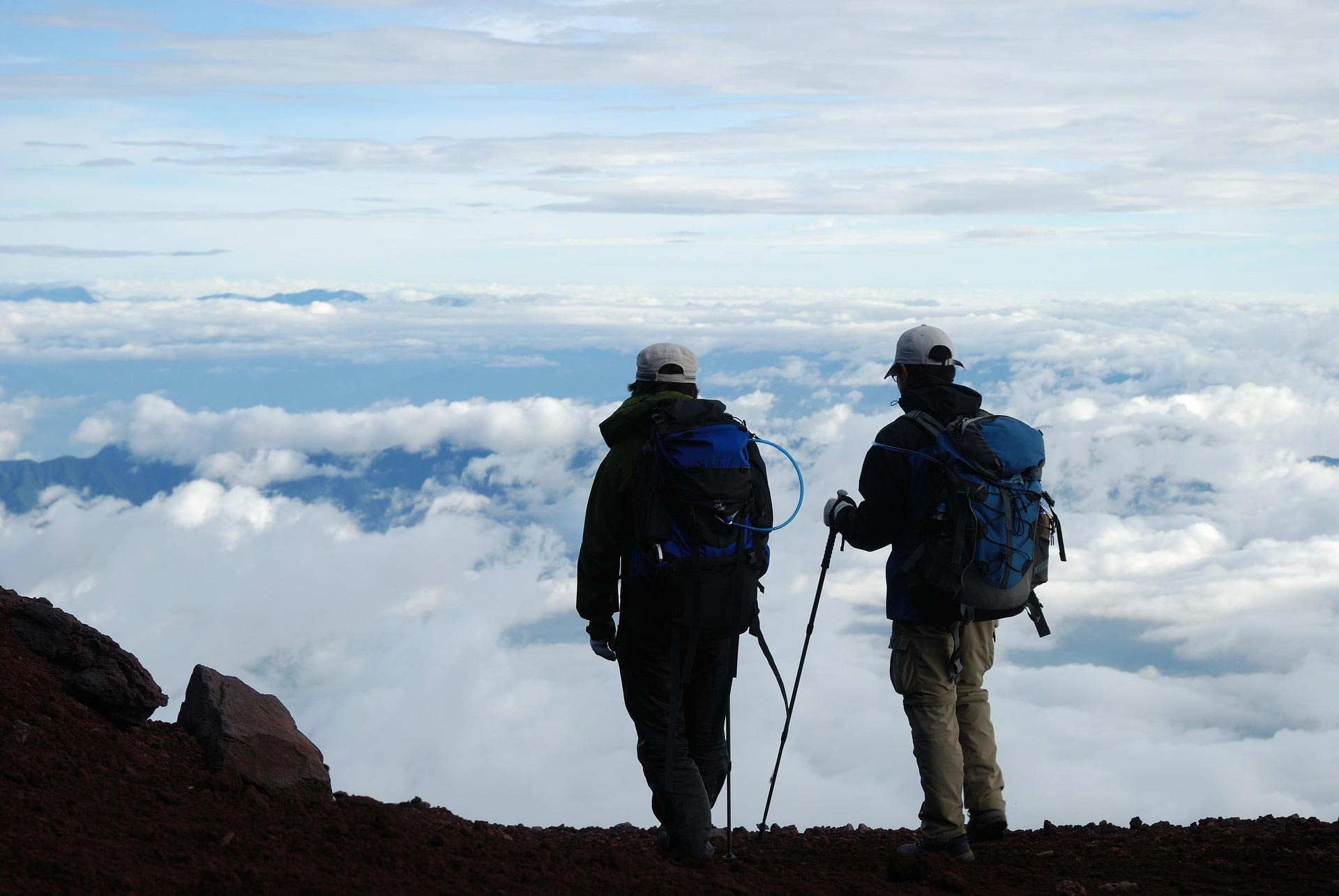
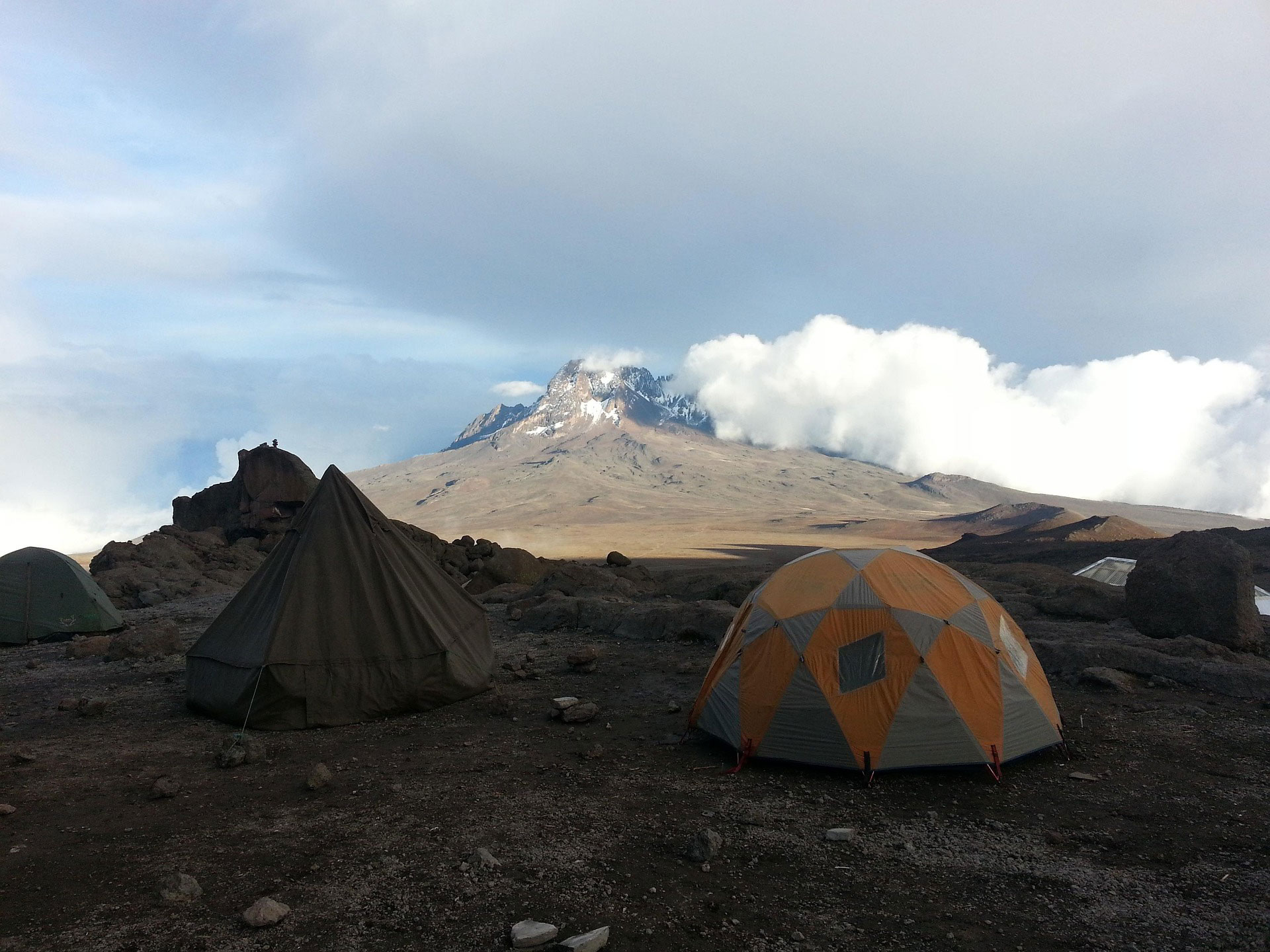
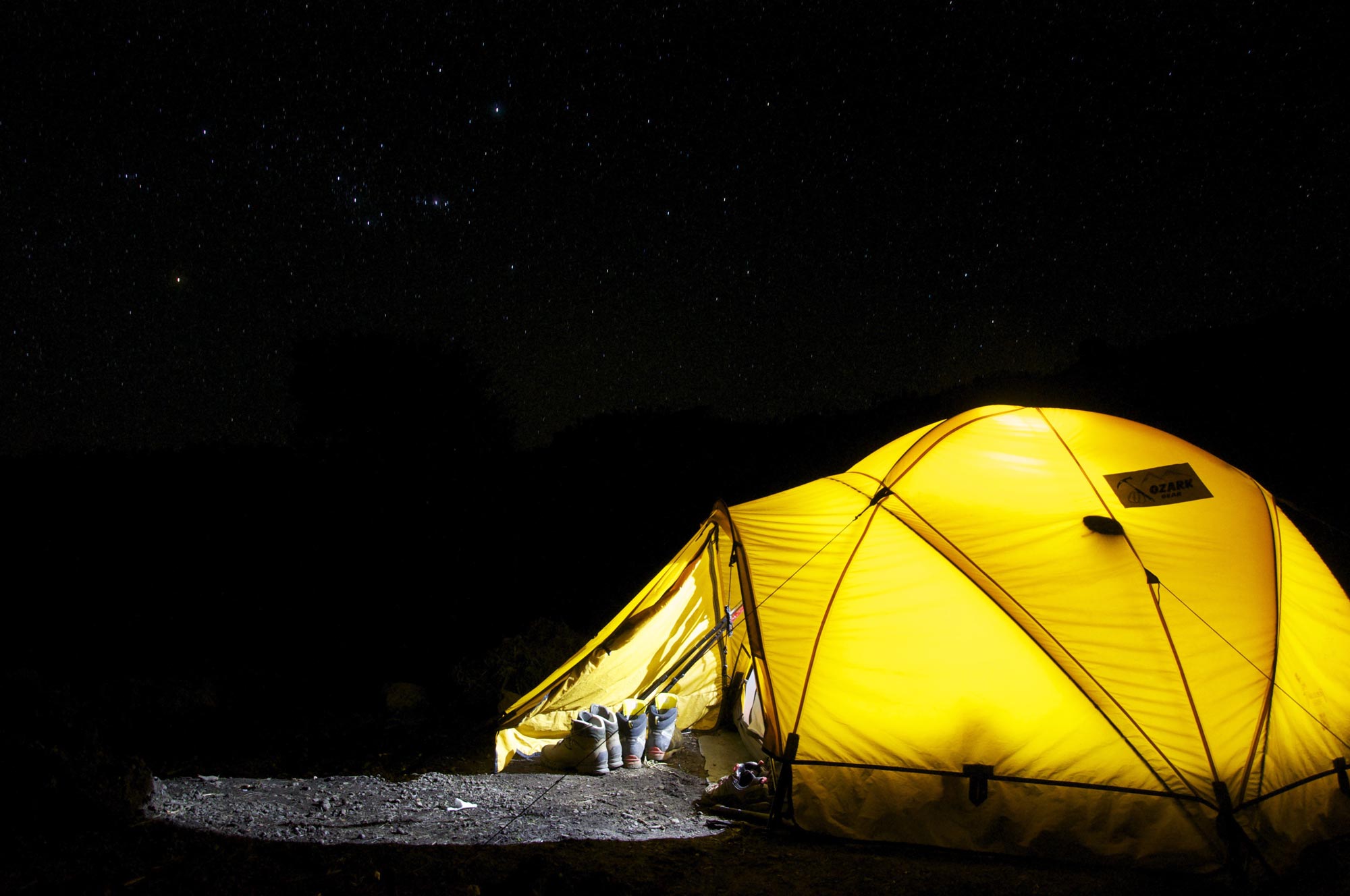
Kilimanjaro is the highest mountain in Africa and the tallest free-standing mountain on Earth. You need no ropes and no climbing skill. You need good boots, a steady pace and a team that knows the mountain. Choose from six routes that run from five to ten days, each led by licensed guides with porters and a cook to carry the load.
Choose by trekking style:
First-time climbers
Hut based treks
Camping treks
Scenic routes
Quiet routes
Longer acclimatisation
Climb and safari combinations
SUMMIT
5,895 m
Uhuru Peak, Kibo crater rim
ROUTES
Six to choose from
Five to ten days on the mountain
CLIMATE ZONES
Five in one climb
Farmland to arctic summit
BEST MONTHS
Jan to Mar, Jun to Oct
The two dry seasons
About climbing Kilimanjaro
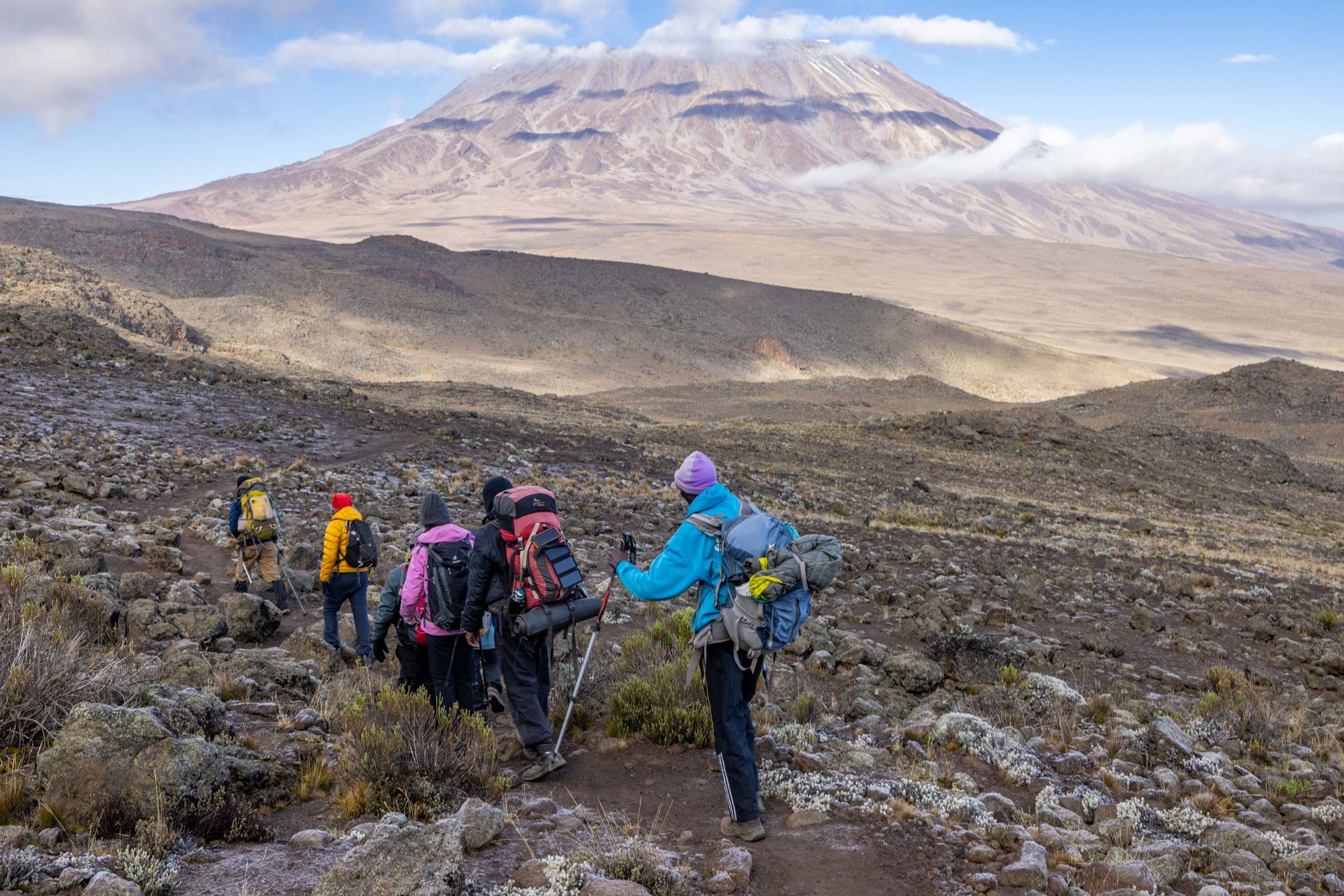
Every climber walks the same slow path to the roof of Africa. Pace decides who reaches the top.
Your guides set a gentle rhythm, check your health each day and choose a route that suits your fitness and your time. Longer routes give your body more days to adjust to altitude. That is the single biggest factor in a safe and successful summit.
Many travellers pair the climb with a few days of safari to rest and celebrate.
Pole pole. Slowly, slowly, to the top of Africa.
Swahili for slowly, slowly. It is the first lesson your guide teaches and the reason most climbers reach the summit.
FIVE ROUTES, ONE SUMMIT
Choose your route
Each route starts at a different gate and meets the summit slopes in its own way. Your specialist helps you match one to your fitness, your dates and your budget.
6 DAYS · CAMPING
Umbwe Route
Short, steep and direct.
Rise fast from the forest on a narrow ridge trail and meet the Barranco camp early. This route climbs quickly, so it suits strong, experienced trekkers who have already spent time at altitude.
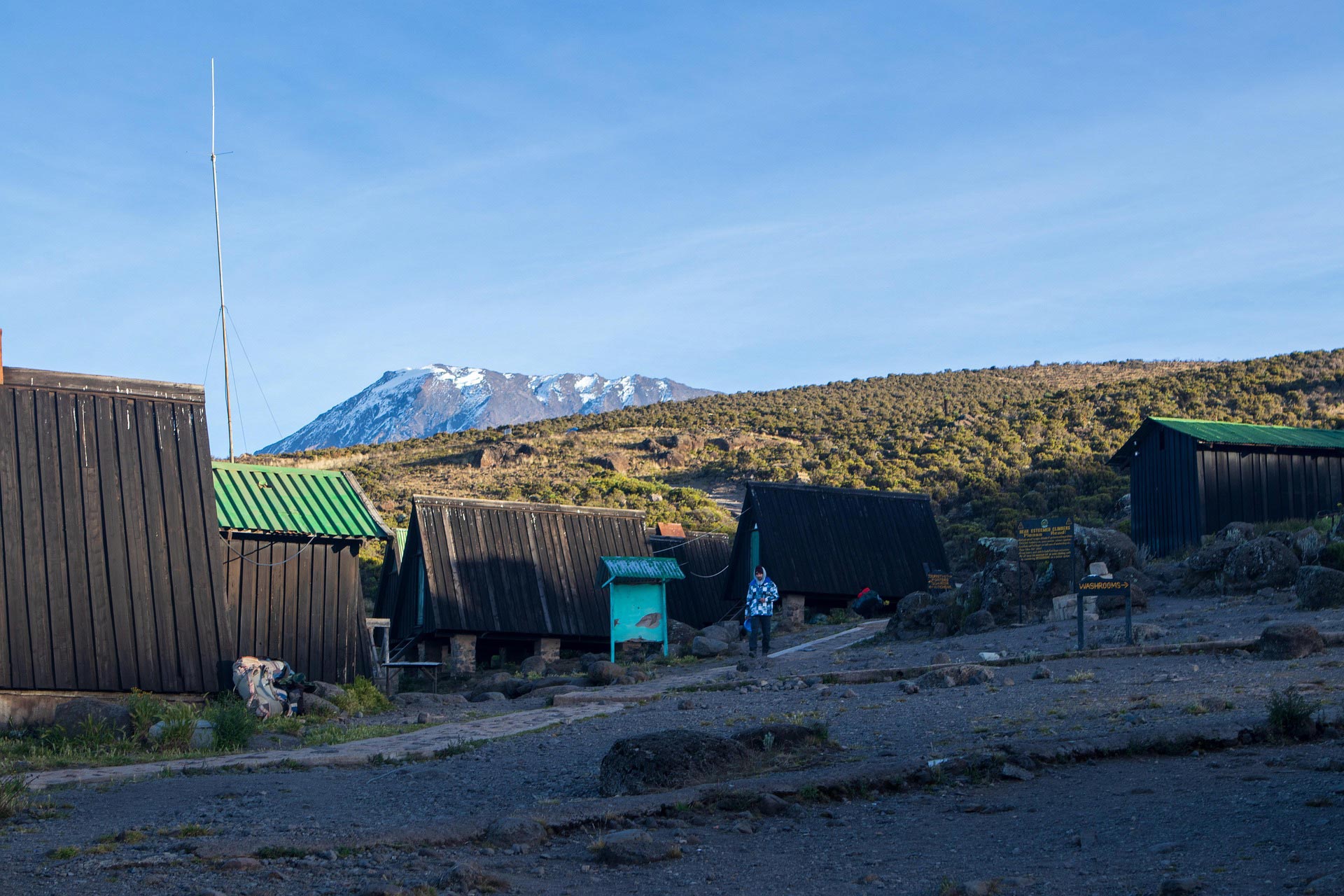
Sleep in shared huts with mattresses and a dining hall at each stop. The path climbs steadily through forest and moorland and returns by the same trail. It suits climbers who want a roof overhead every night.
Climb high and sleep low, your body beneath the sky. You pass the Lava Tower at 4,630 m, scramble up the Barranco Wall and camp beneath the Southern Icefields. It is the most popular route on the mountain.
Start in a remote western forest where colobus monkeys call from the trees, then cross the wide Shira Plateau with Kibo ahead of you. Extra days give you the best chance to adjust to altitude.
Begin near the Kenyan border and climb the northern slopes, where rain falls less often. The gradient stays gentle and the crowds stay small. You descend by the Marangu trail.
Walking up Kilimanjaro compares to travelling from the equator to the Arctic. Each zone changes the air, the plants and the clothes you wear.
Below 1,800 m
Farmland
Banana groves, coffee plots and small villages on the lower slopes. Your trek begins on the edge of the national park.
1,800 to 2,800 m
Rainforest
Warm, wet and full of birds. Colobus monkeys move through the canopy and the path is often muddy.
2,800 to 4,000 m
Heath and moorland
Giant heather, groundsels and groundsel. Mist rolls in and out, and the first big views of Kibo appear.
4,000 to 5,000 m
Alpine desert
Rock, dust and thin air. Days are hot in the sun and nights fall well below freezing.
Above 5,000 m
Arctic summit
Ice, snow and wind on the crater rim. Almost nothing grows here and the air holds half the oxygen of sea level.
When to climb
January to mid-March
Dry and warm. Clear summit mornings and fewer climbers than mid-year peak.
Late March to May
The long rains. Trails are wet, cloud sits low and the mountain is quiet.
June to October
The main dry season. Cold nights, stable weather and the busiest routes.
November and December
Short rains arrive in the afternoons. Mornings are often clear.
Included in every trek
Licensed mountain guides
Experienced guides trained in altitude and first aid check your health every day.
Porters and a cook
Your team carries the gear and prepares hot meals, so you can carry only a daypack.
Park fees and camping
Permits, camp or hut fees and rescue fees are paid before you arrive.
Hotel nights in Arusha
Rest well before the climb and wash off the trail afterwards, with transfers to and from the gate.
Speak to a safari specialist
Let's plan your journey.
From your first enquiry to the day you come home, one named safari specialist looks after every detail. A safari specialist will be in touch within as little as 15 minutes during working hours