There is no single best month for every Tanzania holiday. The ideal time depends on what you want to experience. A traveler planning a classic wildlife safari will have different priorities from someone following the Great Migration, climbing Mount Kilimanjaro or relaxing on Zanzibar. For general safari travel, June to October is one of the strongest periods because much of Tanzania experiences dry conditions, wildlife is easier to spot in many areas and roads are generally more favorable. January and February are also excellent for travelers interested in the southern Serengeti calving season.
This period suits travelers who want:
Green scenery Photography Bird watching A quieter safari atmosphere A balance between wildlife and landscape
About the Best Time to Visit Tanzania
Tanzania has no bad month, only different trips. Each season offers its own wildlife, landscapes and prices.
The dry season runs from June to October. The green season runs from November to May. Short rains fall in November and December. Long rains fall from March to May.
Pick your month by your main goal. Choose game viewing, migration, birdlife, a mountain climb or a beach stay. Then match the goal to the table below.
Best Time to Visit Tanzania at a Glance
Game viewing: June to October Calving season: January to February Mara River crossings: July to September Birdwatching: November to April Kilimanjaro climb: January to March and June to October Zanzibar beaches: June to October and December to February Lowest rates: April and May Fewest crowds: March to May and November Photography: January to March and June to October
Best Time to Visit Tanzania for Wildlife
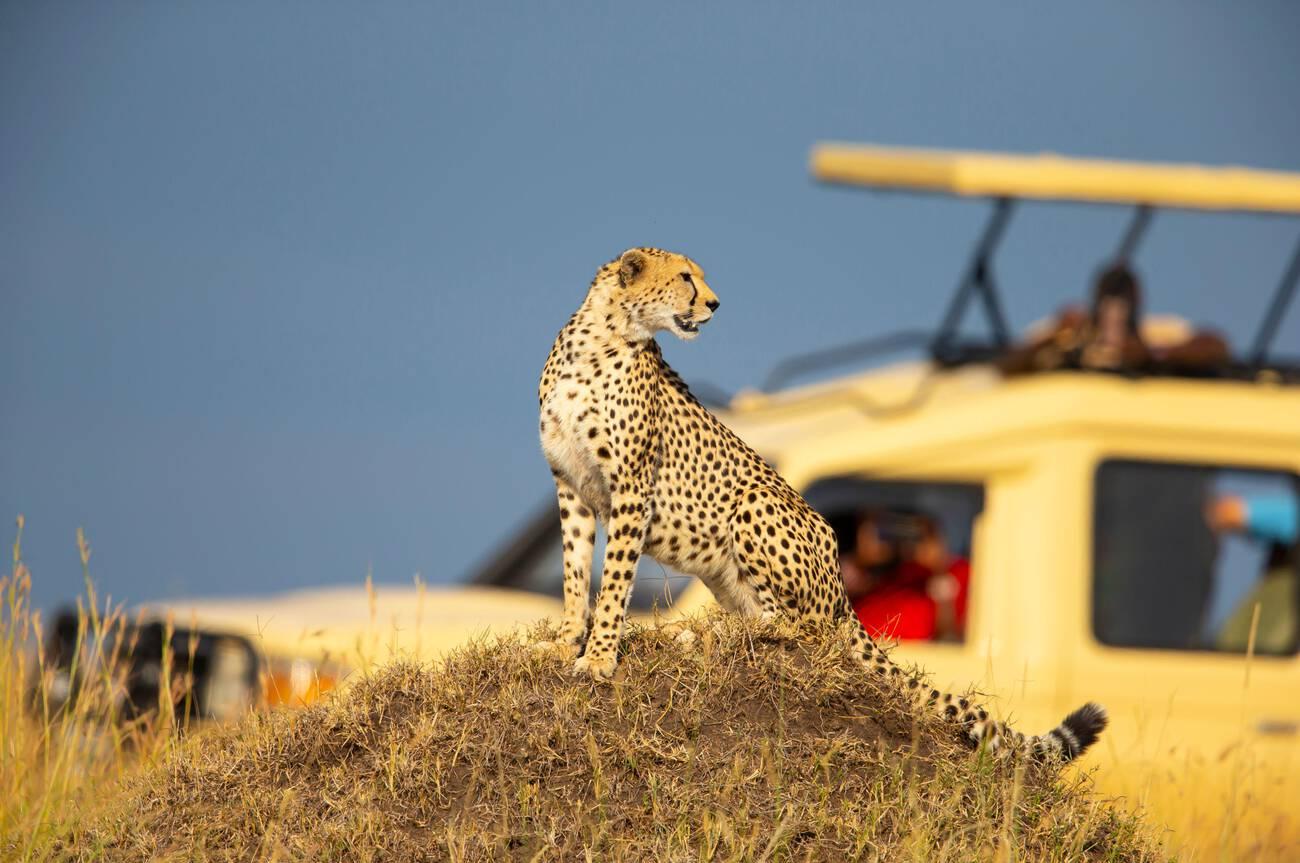
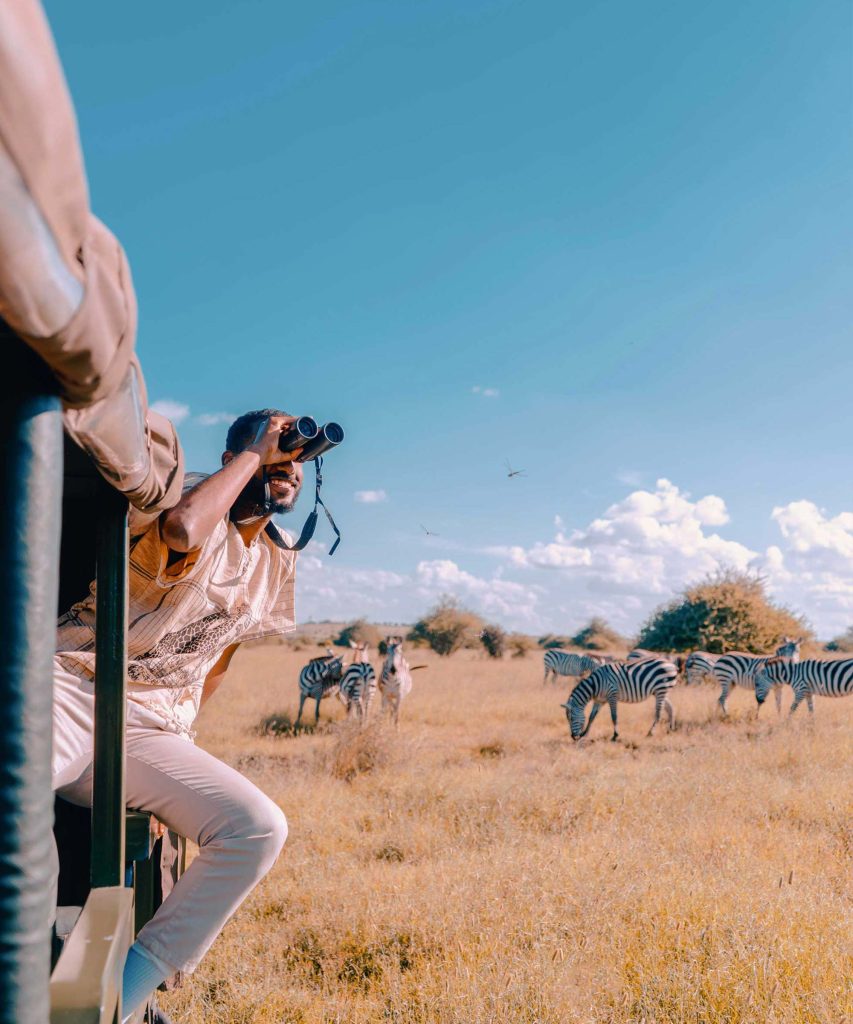
For general wildlife viewing, June to October is one of the strongest periods of the year. The dry conditions make animals easier to find, particularly around permanent water sources.
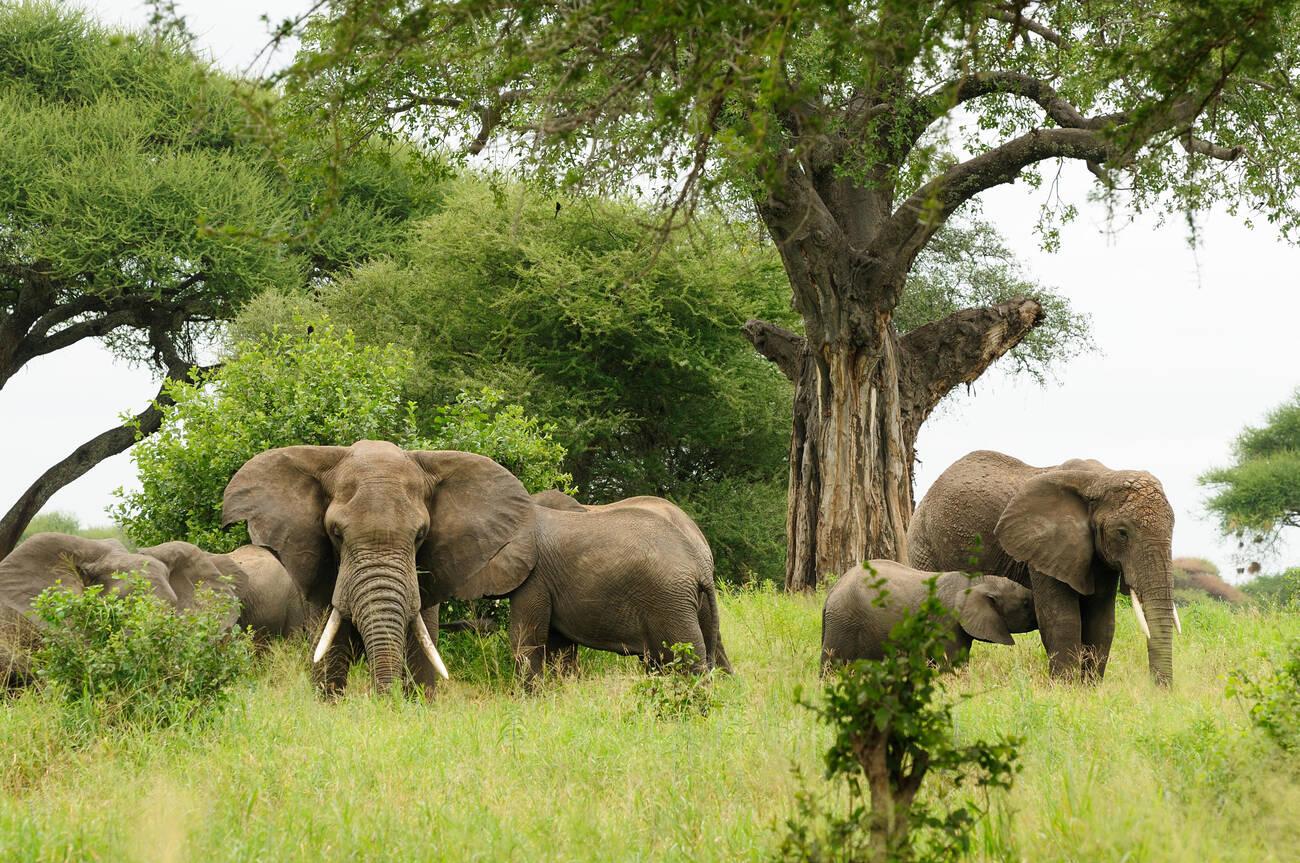
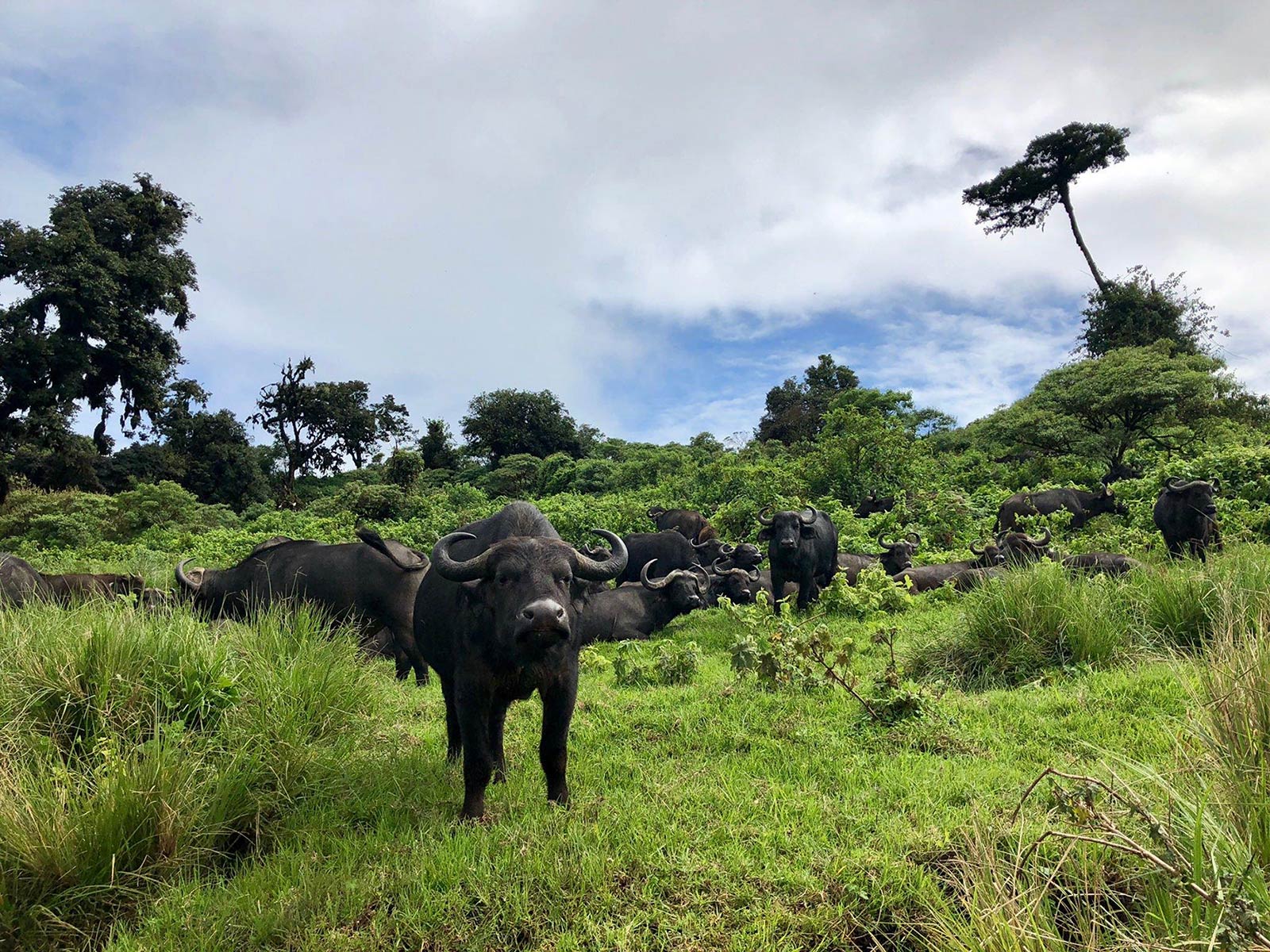
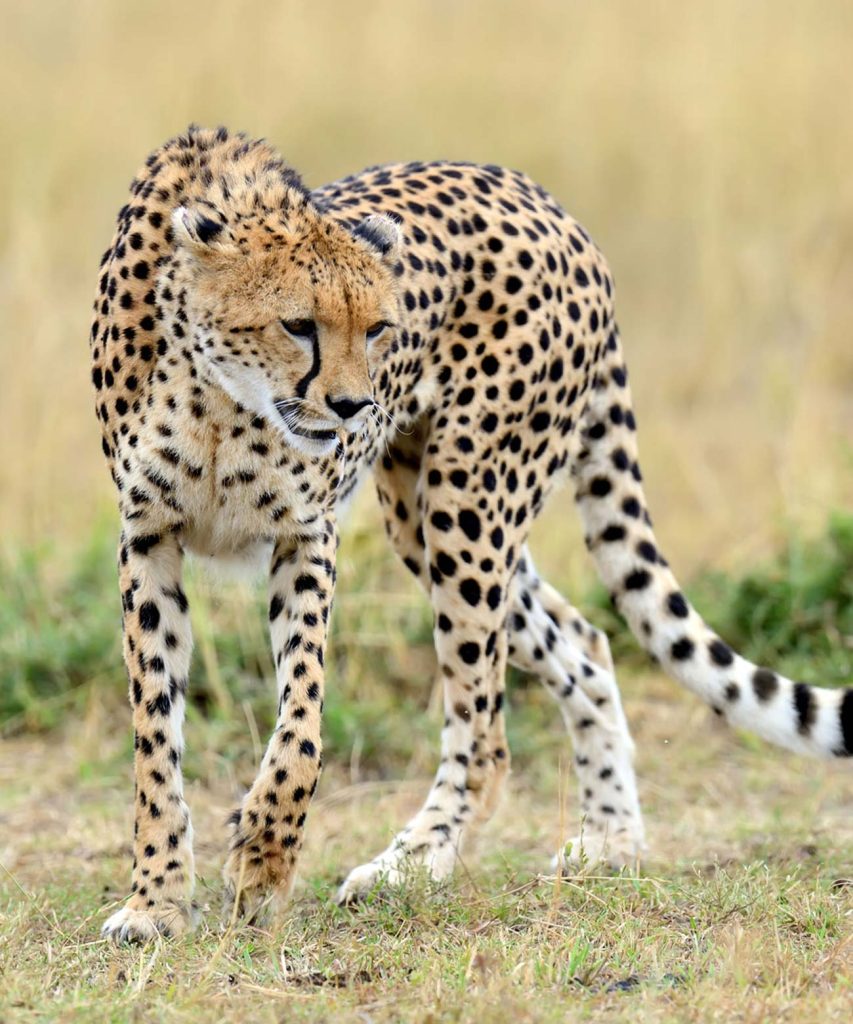
Tarangire is especially interesting during the dry months because large concentrations of elephants and other animals gather around the Tarangire River. Serengeti and Ngorongoro also provide excellent opportunities to see lions, elephants, buffaloes, giraffes, leopards, and other wildlife.
Best Time to See the Great Migration
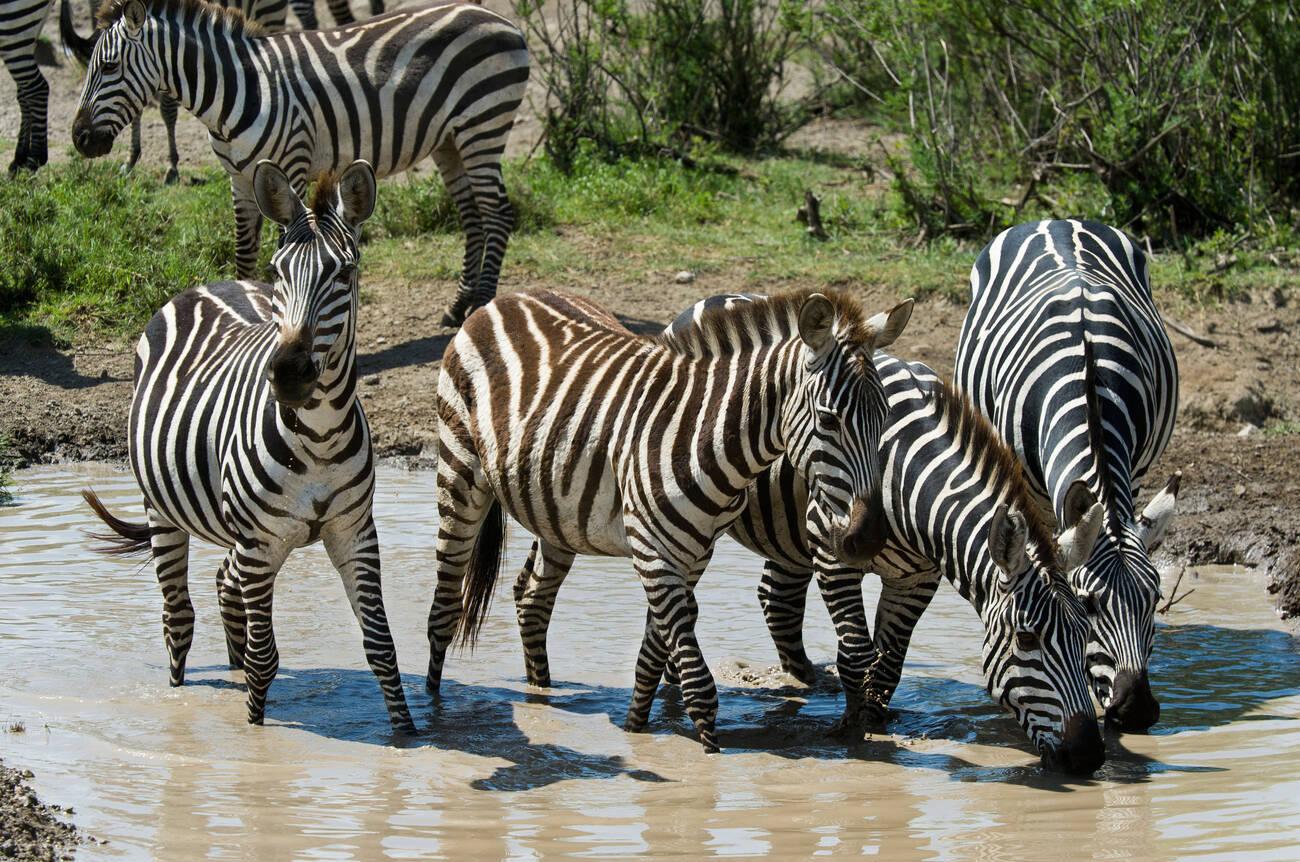
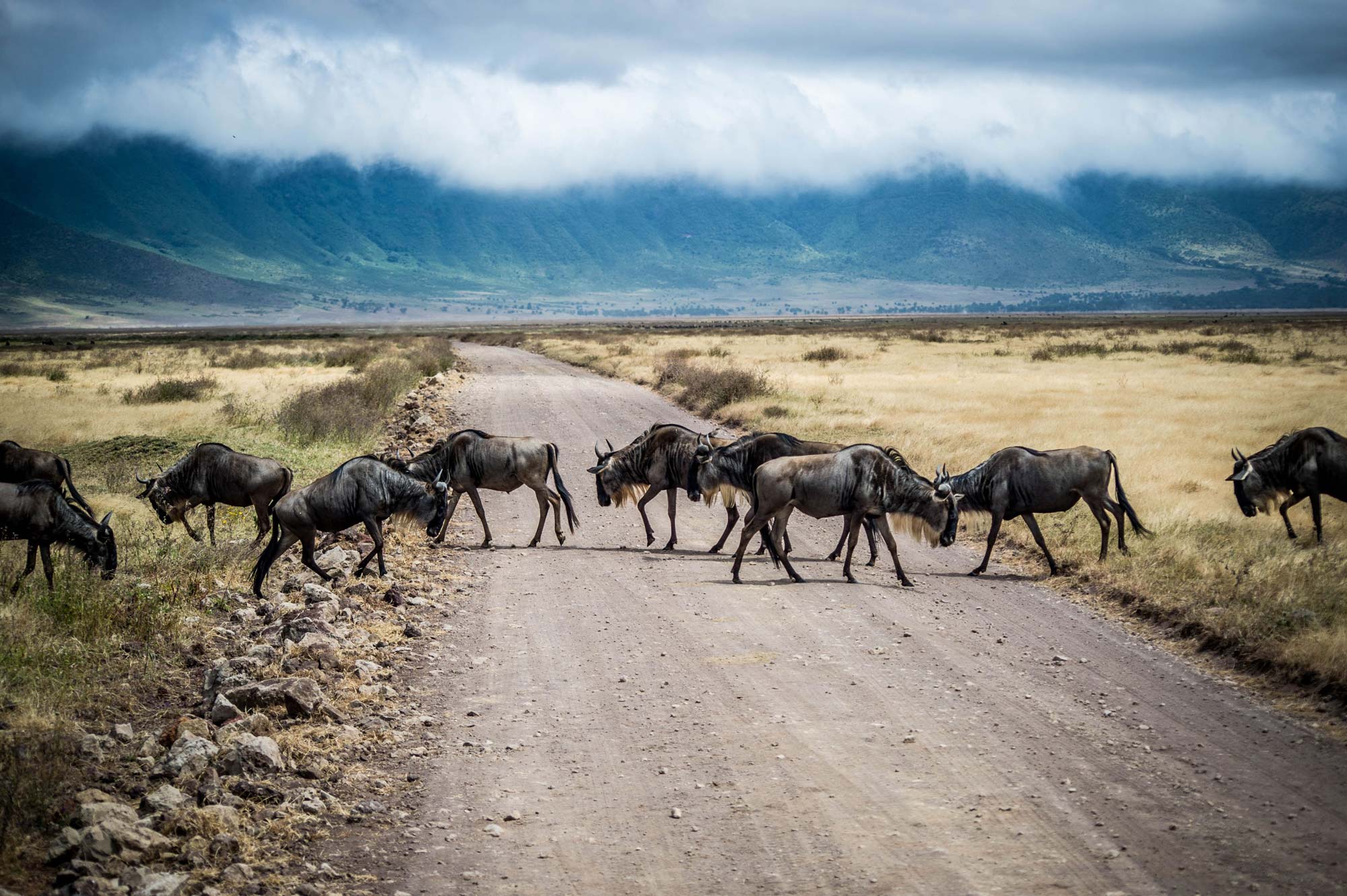
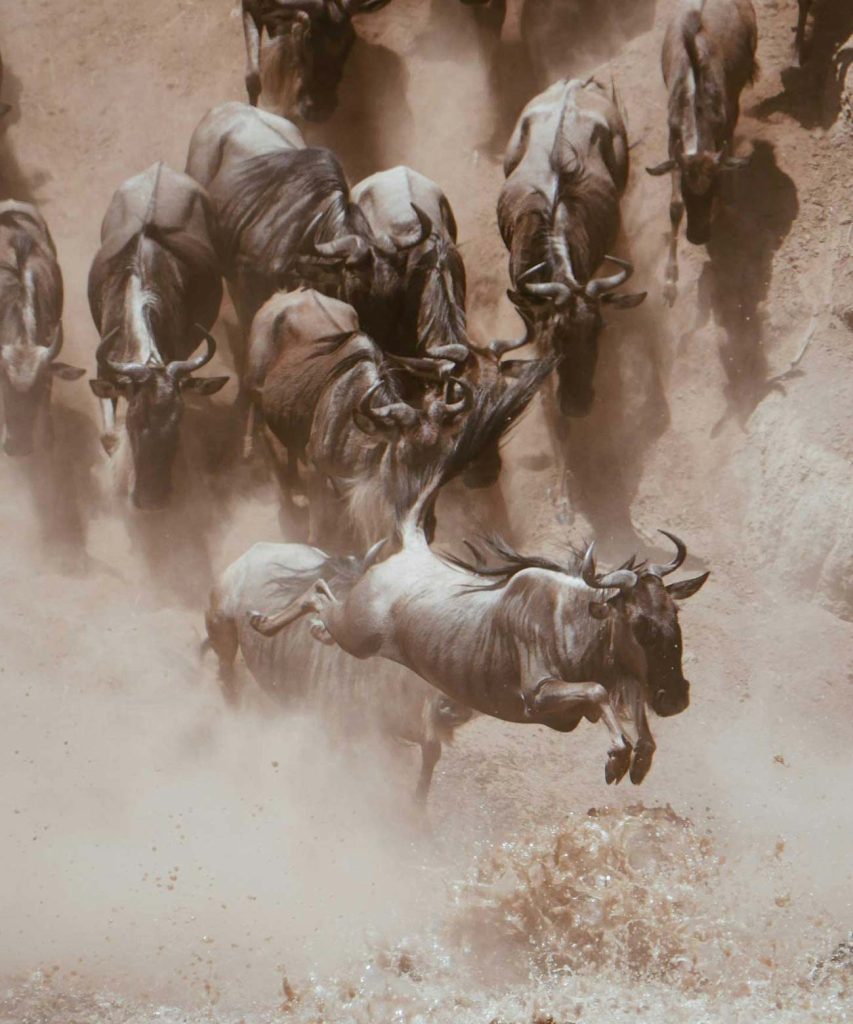
The Great Migration happens throughout the year rather than during a single month. Millions of wildebeest, along with zebras and other animals, move through the Serengeti ecosystem following rainfall and fresh grazing.
January and February are associated with the calving season, while July to October can provide opportunities to witness dramatic migration activity in northern Serengeti, including river crossings when conditions are right.
Best Time to Visit Zanzibar
Zanzibar can be combined with a Tanzania safari throughout much of the year. The island is particularly popular from June to October and again from December to February, when conditions are generally favorable for beach activities.
Travelers can spend time exploring Stone Town, relaxing on the beaches, snorkeling, diving, taking spice tours, or visiting marine attractions. A safari followed by several days in Zanzibar is one of the most popular Tanzania holiday combinations.
Experience Tanzania in Every Season
Tanzania’s national parks provide varied environments for this style of travel. Tanzania tourism highlights Serengeti, Ngorongoro, and Tarangire as key northern safari destinations, with game drives and photographic experiences among the highlights.
June to October – Best Overall Safari Season
The dry season is the most popular time for a Tanzania safari. Rainfall is limited, roads are generally easier to travel, and wildlife becomes easier to locate as animals concentrate around available water sources.
The Serengeti, Ngorongoro Conservation Area, Tarangire National Park, and other northern safari destinations are particularly attractive during these months. July to October is also a popular period for travelers hoping to see migration activity in northern Serengeti.
January to February – Great Migration Calving Season
January and February offer a different kind of safari experience. During this period, large numbers of wildebeest gather in the southern Serengeti and Ndutu area for the calving season.
Thousands of calves are born, creating dramatic predator prey interactions. The green scenery, young wildlife, and excellent photography opportunities make these months especially appealing to wildlife enthusiasts.
March to May – Green Season
The long rains generally arrive between March and May. These months are quieter than the peak dry season and can appeal to travelers who prefer fewer visitors and lush landscapes.
The countryside becomes beautifully green, bird activity increases, and some accommodation options may offer lower rates. Although rain can affect road conditions, safari experiences remain possible in many areas.
November to December – Short Rains
November and December bring shorter periods of rain that refresh Tanzania’s landscapes. The parks become greener, wildlife remains active, and migratory birds begin arriving in many areas.
This period can be a good choice for travelers looking for a quieter safari experience while still enjoying strong wildlife viewing opportunities.
Itineraries
Our most considered journeys.
Real itineraries designed by specialists who travel them. Ready to be tailored to your dates, your party, and your pace.
From your first enquiry to the day you come home, one named safari specialist looks after every detail. A safari specialist will be in touch within as little as 15 minutes during working hours