Tanzania has a tropical climate, but weather conditions differ greatly between the coast, safari regions, highlands and mountains. Altitude also has a major influence on temperature. Coastal destinations such as Zanzibar stay warm and humid, while Arusha and the Ngorongoro highlands are cooler. Mount Kilimanjaro has several climate zones, with temperatures dropping sharply as you climb higher.
For most travelers, understanding Tanzania weather is more useful than choosing a month based only on temperature. Rainfall affects safari landscapes, wildlife movement, road conditions, beach activities and mountain trekking.
Tanzania sits close to the equator. Altitude shapes temperature more than distance from the equator does. Arusha sits at about 1,400 meters. The Ngorongoro Crater rim sits at about 2,300 meters. Zanzibar sits at sea level.
The country has two rainy periods. Short rains fall in November and December. Long rains fall from March to May. The dry season runs from June to October.
Rain patterns shift each year. Treat the months in this guide as a pattern, not a promise. Your safari specialist checks current conditions before you travel.
Tanzania Weather by Month
January: Warm and mostly dry in the north. Calving season begins in the south. February: Hot days and low rain. Calving peaks. March: Long rains begin. Green landscapes and fewer visitors. April: Heavy rain. Some camps close. Lowest rates. May: Rain eases late in the month. Parks stay quiet. June: Dry season starts. Clear skies and cool nights. July: Dry and cold at night. River crossings begin in the north. August: Dry and busy. Strong game viewing across the parks. September: Dry and warm. River crossings continue. October: Dry, with heat building. Rain returns near month end. November: Short rains begin. Birdlife peaks. December: Warm with short showers. Zanzibar beaches are popular.
Weather and the Great Migration
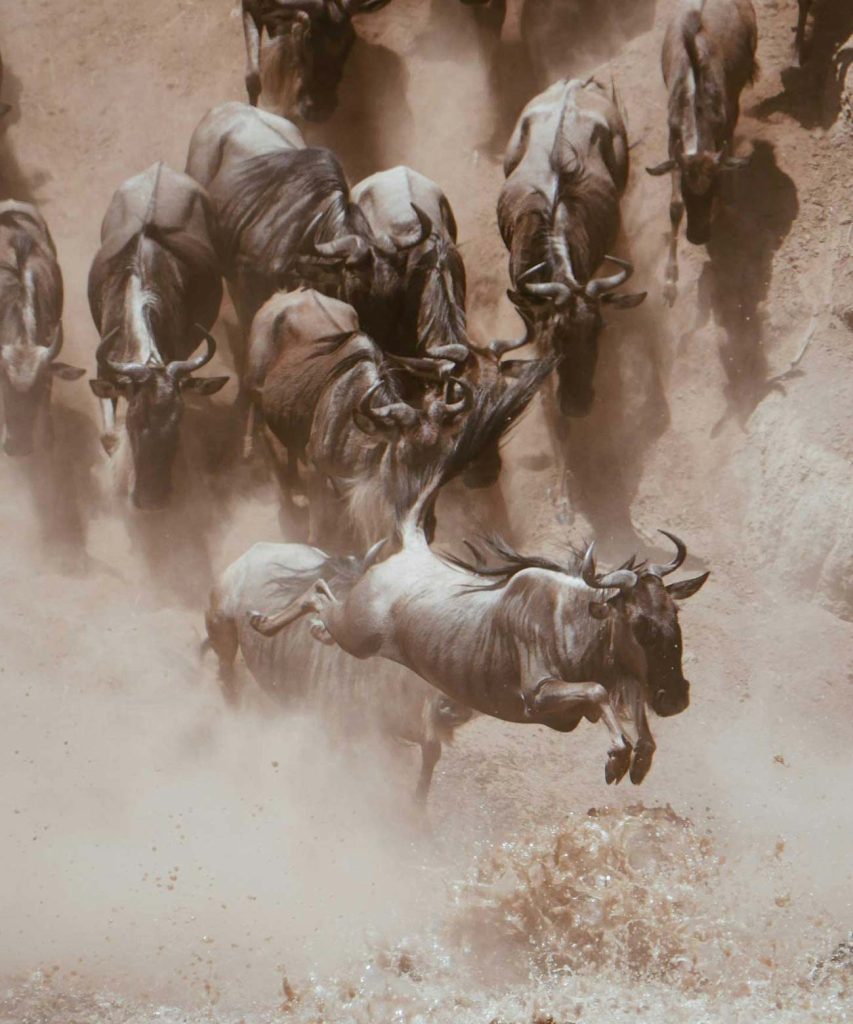
The herds follow the rain. Their timing shifts each year.
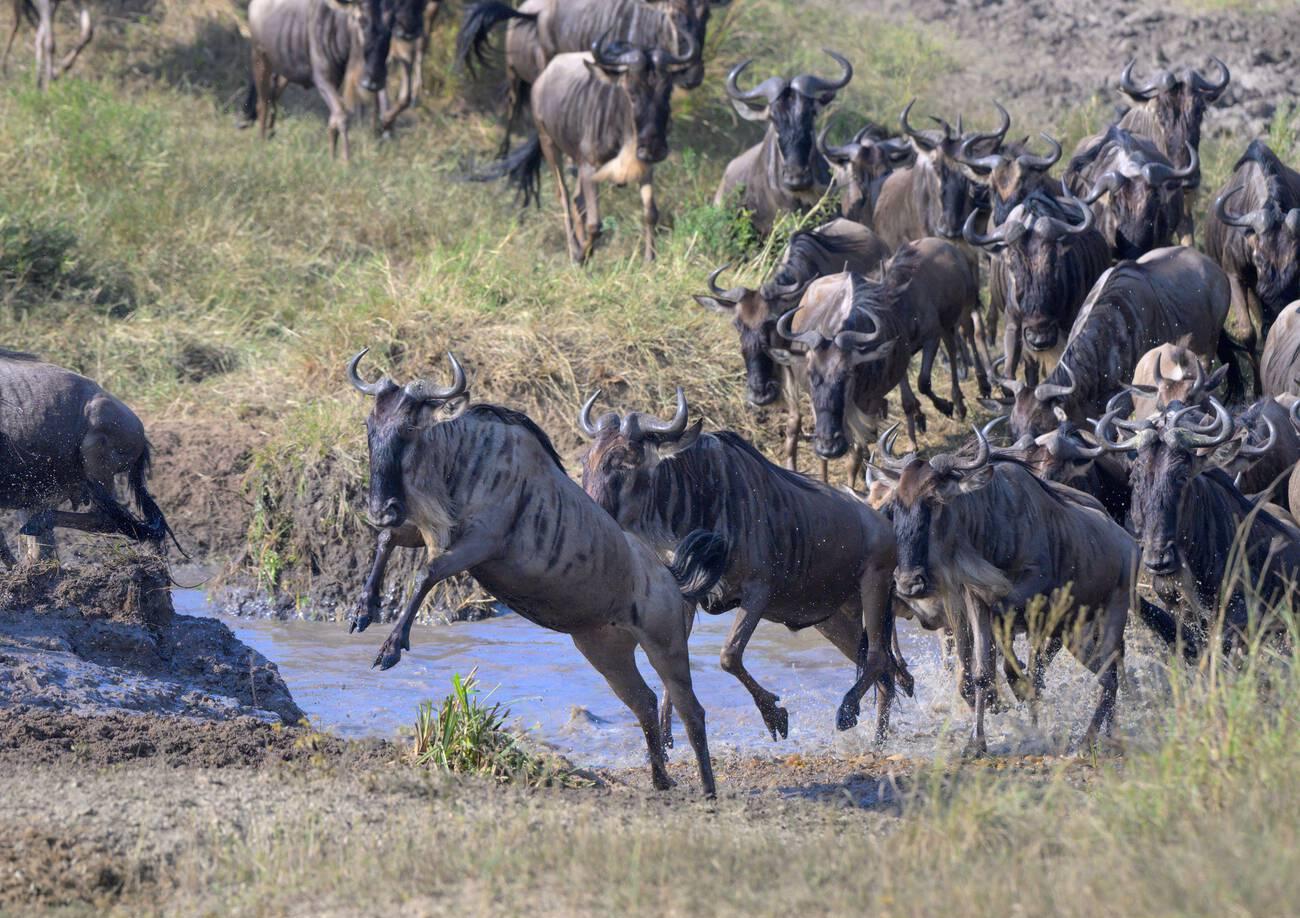
January to March: Herds calve on the southern plains near Ndutu April to May: Herds move north through the central Serengeti June to July: Herds cross the Grumeti River in the western corridor July to September: Herds cross the Mara River in the northern Serengeti October to November: Herds return south as the short rains start
What to Pack for Tanzania Weather
Dry season: Pack a warm jacket, a fleece, a scarf, a hat and a dust buff. Short and long rains: Pack a waterproof jacket, quick-dry clothes and extra socks. Warm months: Pack high SPF sunscreen, sunglasses and a wide brim hat. Ngorongoro and Kilimanjaro: Pack warm layers in every month.
Read our Tanzania safari packing list for the full checklist.
Weather Planning Mistakes to Avoid
Expecting hot nights. Northern parks stay cold at dawn. Skipping a rain jacket in the green season. Booking Zanzibar in April and May. Heavy rain closes hotels. Packing only for the heat on a Ngorongoro trip. Planning river crossings for an exact date. Timing shifts each year. Waiting too long to book in July and August.
Tanzania weather by destination
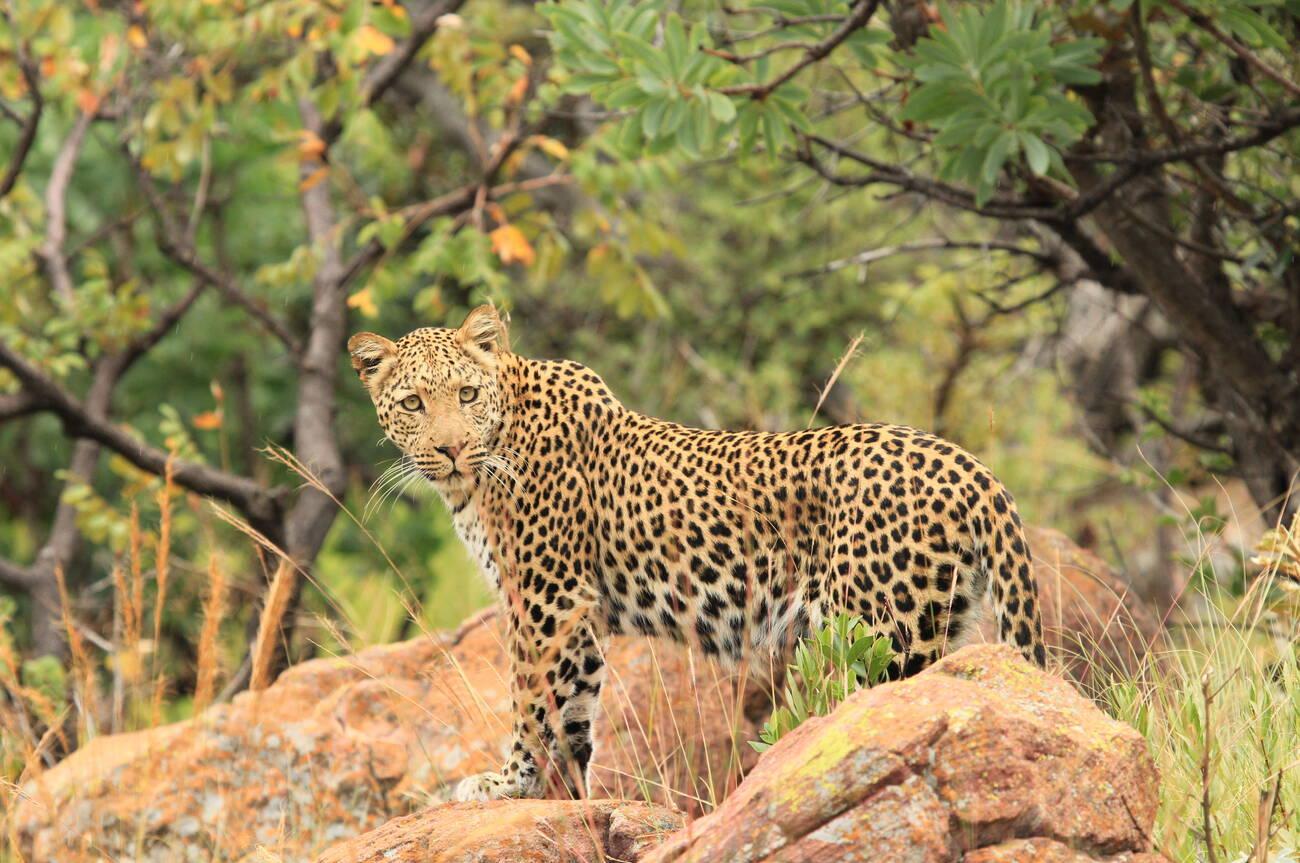
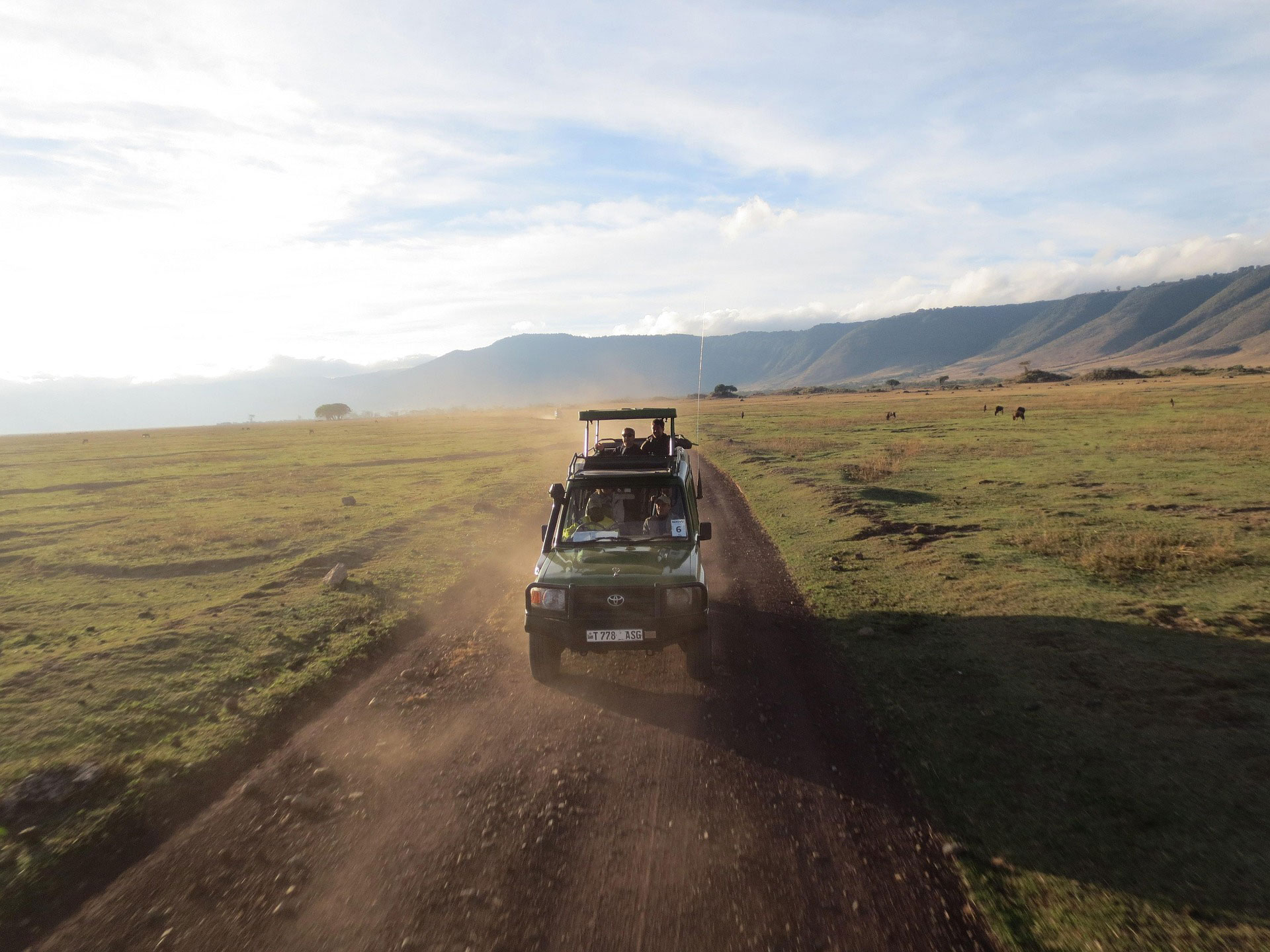
Tanzania’s national parks provide varied environments for this style of travel. Tanzania tourism highlights Serengeti, Ngorongoro, and Tarangire as key northern safari destinations, with game drives and experiences among the highlights.
Weather in Serengeti
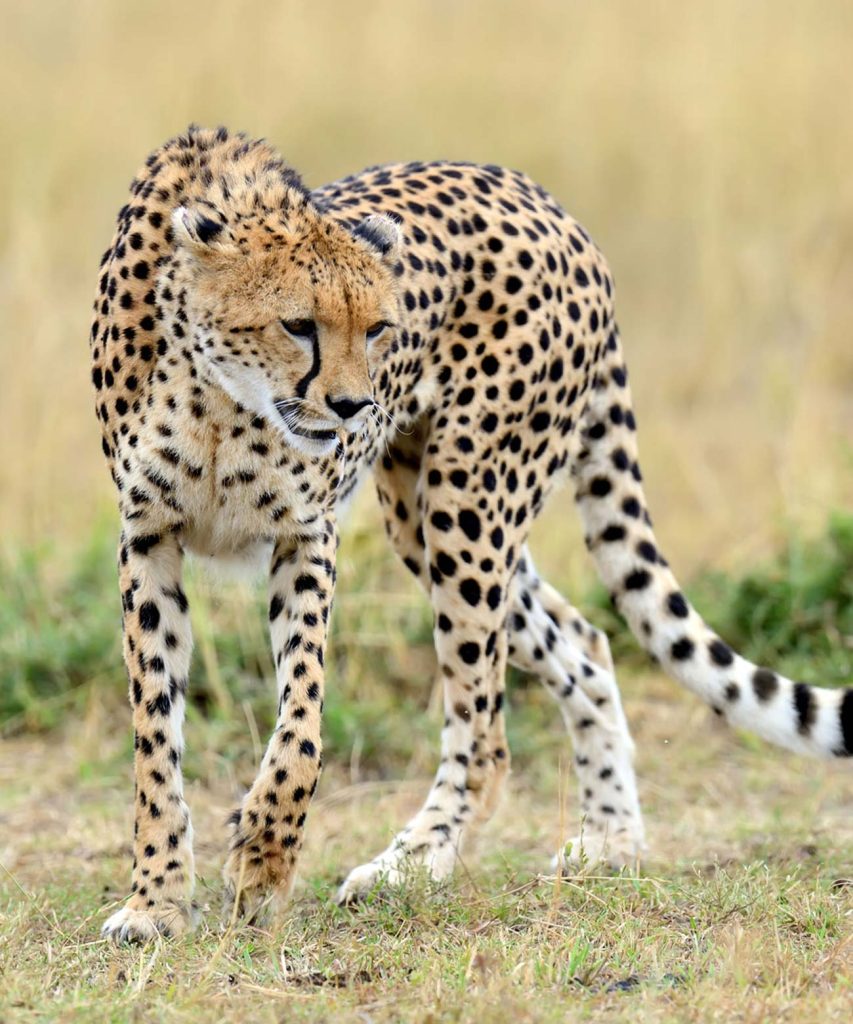
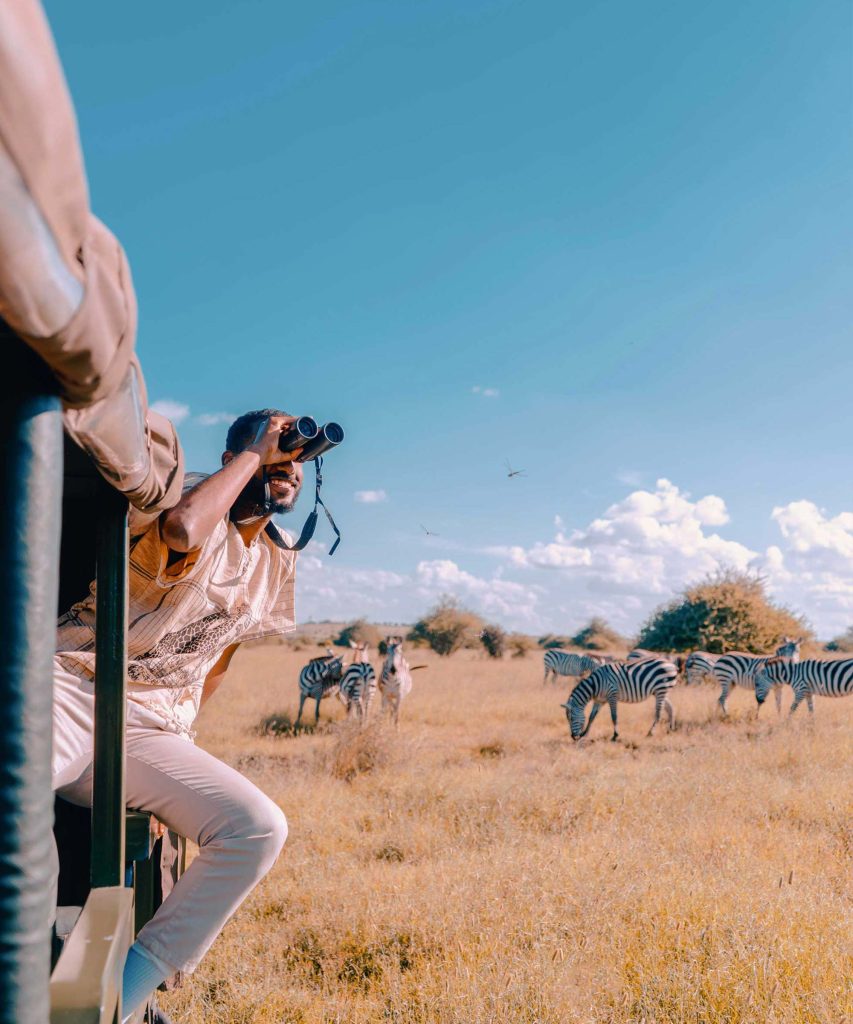
The Serengeti experiences warm days and cooler mornings and evenings. June to October is generally dry, making wildlife easier to observe in many areas. January and February are important for travelers interested in the calving season in the southern Serengeti. The Serengeti remains a year round wildlife destination, but the location of the migrating herds changes with rainfall and grazing conditions
Weather in Ngorongoro Crater
Ngorongoro sits at a higher elevation than many safari destinations, so temperatures feel cooler. Morning game drives often require warm clothing, particularly from June to August. Rainfall patterns follow the northern Tanzania seasonal cycle. The crater offers wildlife viewing throughout the year, making it a strong addition to itineraries across different seasons.
Weather in Tarangire
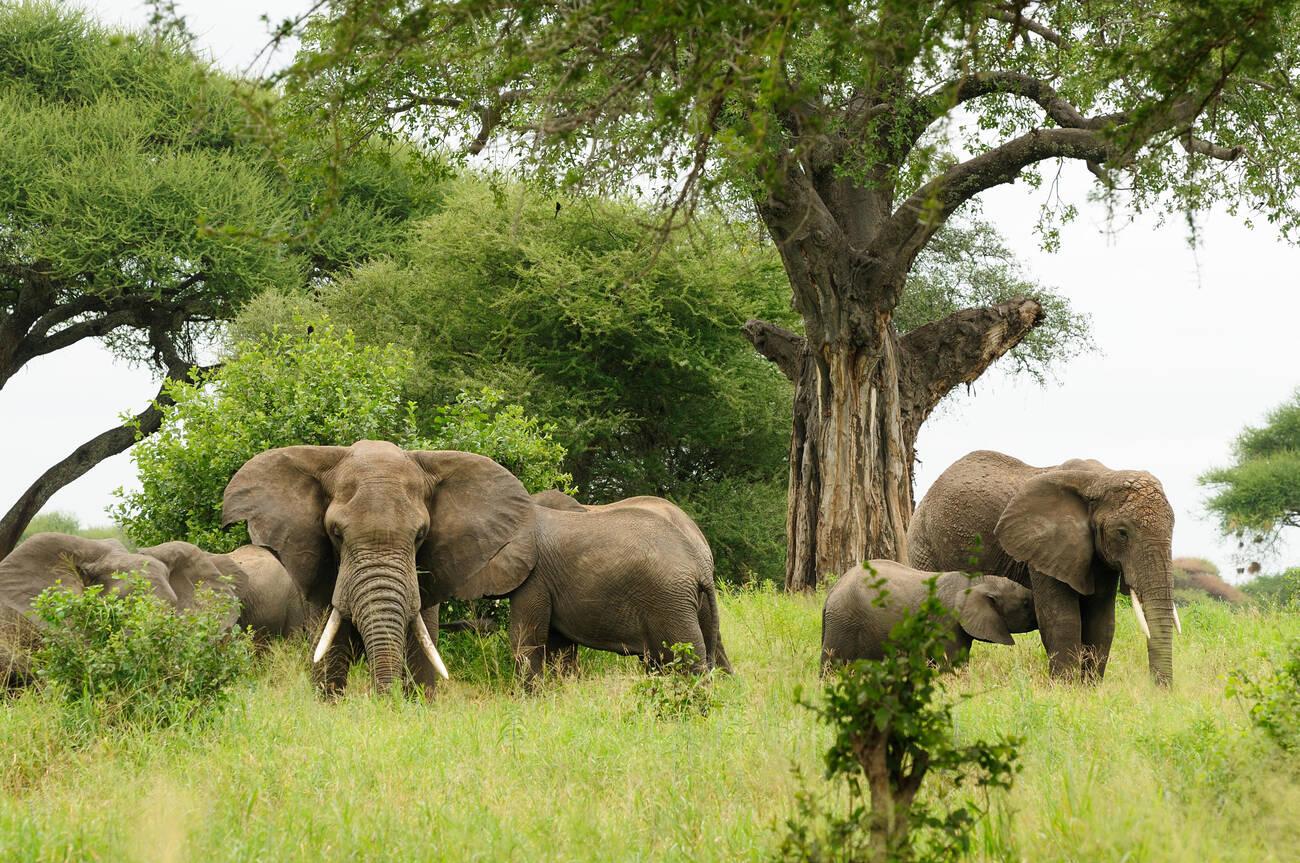
Tarangire experiences a strong difference between dry and wet periods. During the dry season, wildlife gathers around permanent water sources, including the Tarangire River. The vegetation also becomes thinner, improving visibility in many areas. During the green season, the park develops a different character with fresh vegetation and bird activity.
Weather in Zanzibar
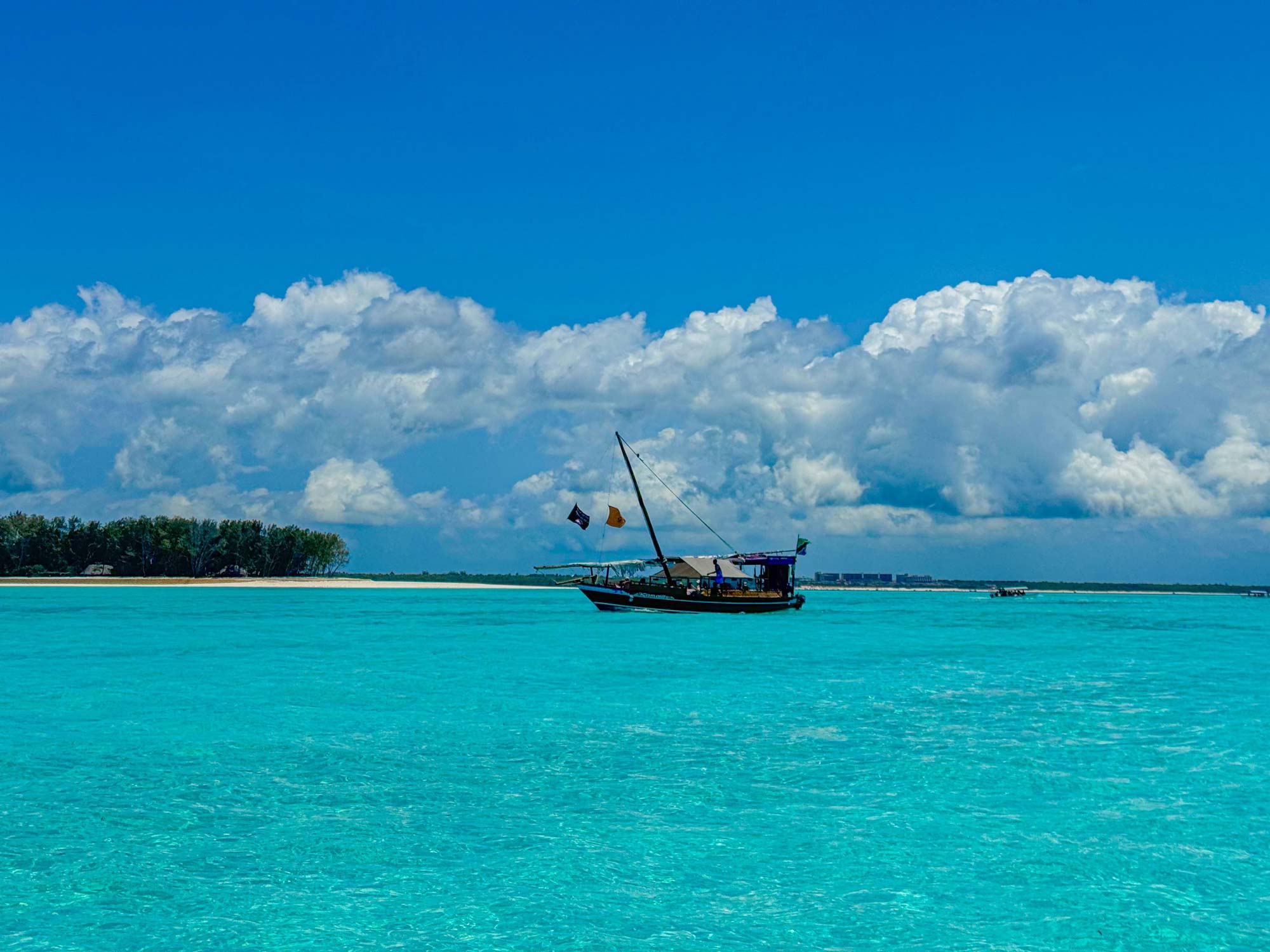
Zanzibar remains warm and humid throughout much of the year. June to October is generally cooler and drier. December to February is also a popular period for beach travel, with warm temperatures and generally favorable conditions. March to May brings the main rainy period, with April and May typically receiving the heaviest rainfall.
Weather on Mount Kilimanjaro
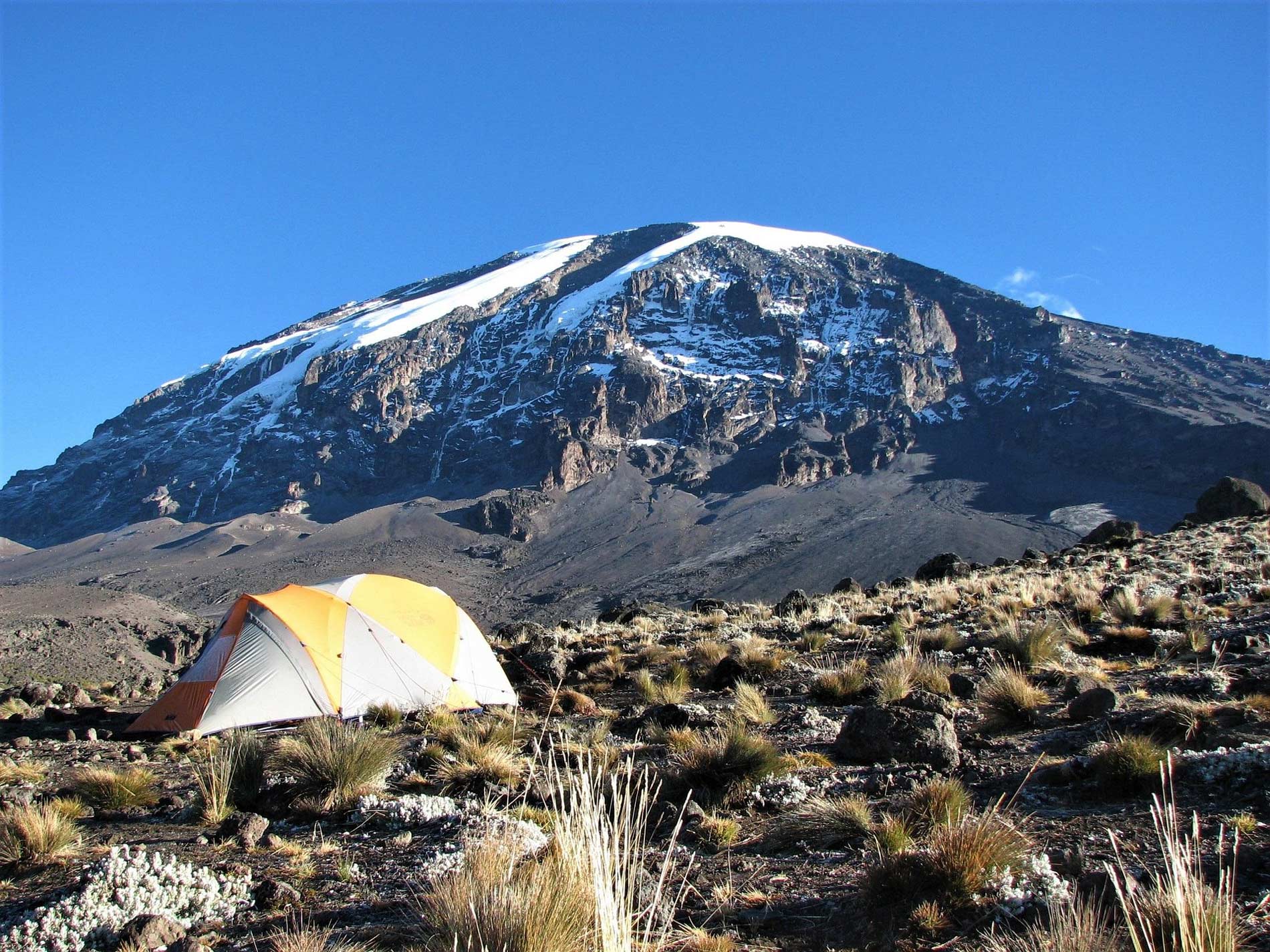
Mount Kilimanjaro has several climate zones. The lower slopes begin with warmer conditions and rainforest. Higher elevations become colder, eventually reaching alpine and glacial environments near the summit. A climb therefore requires preparation for rain, sunshine, cold nights and freezing summit conditions within the same journey. January to early March and June to October are commonly selected for trekking because of generally more favorable weather patterns.
Itineraries
Our most considered journeys.
Real itineraries designed by specialists who travel them. Ready to be tailored to your dates, your party, and your pace.
From your first enquiry to the day you come home, one named safari specialist looks after every detail. A safari specialist will be in touch within as little as 15 minutes during working hours