Plan your Tanzania trip with clear facts. This Tanzania travel guide covers visas, the best time to visit, top destinations, health, money and getting around. It suits first time visitors and returning travelers.
Best suited for:
First-time Tanzania visitors Safari travelers Honeymooners Families Beach and safari combinations Kilimanjaro and Meru trekkers Northern Tanzania circuits
About This Tanzania Travel Guide
Tanzania sits in East Africa. It holds the Serengeti, the Ngorongoro Crater, Mount Kilimanjaro and the Zanzibar archipelago. The country has more than 20 national parks.
Swahili and English are the main languages. The currency is the Tanzanian shilling (TZS). The time zone is UTC+3 all year.
Most trips start in Arusha. The city sits close to Arusha National Park, Tarangire and the road to Ngorongoro. Kilimanjaro International Airport (JRO) serves the northern parks. Dar es Salaam (DAR) and Zanzibar (ZNZ) serve the coast and the islands.
Best Time to Visit Tanzania
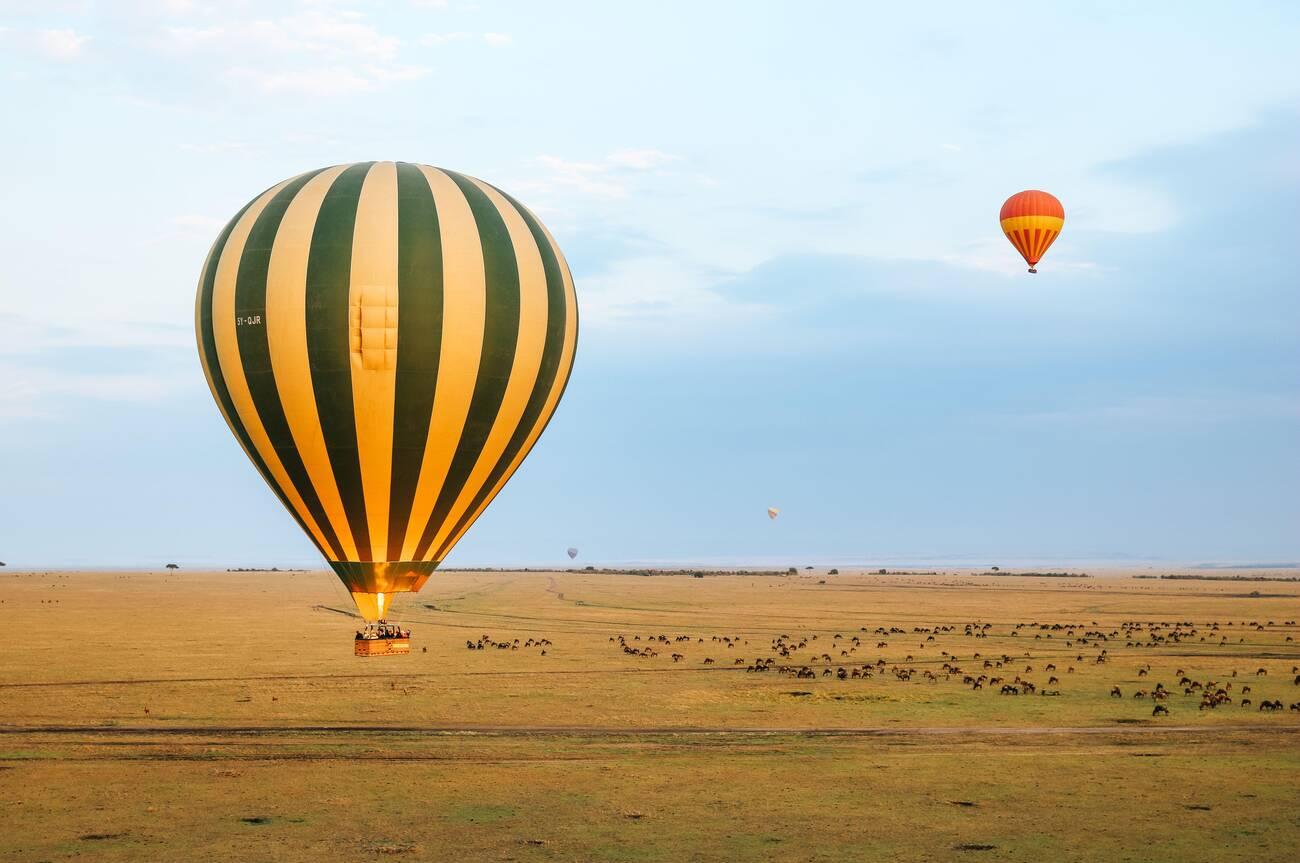
The dry season runs from June to October. Skies are clear and animals gather near water. This is the best time for game viewing.
January to March suits calving season in the southern Serengeti. Thousands of wildebeest calves arrive in these months.
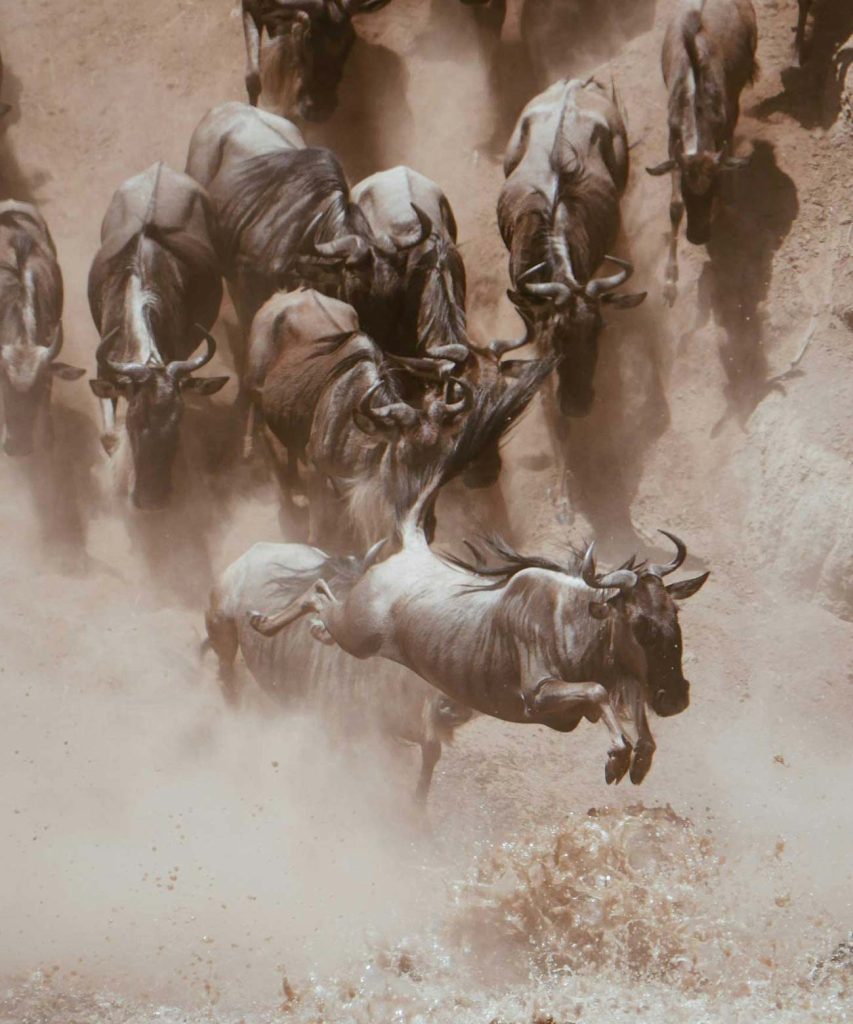
River crossings in the northern Serengeti usually happen between July and September. Dates shift each year.
The green season runs from November to May. Rain falls in short bursts in November and December. Long rains arrive from March to May. Parks stay quiet and birdlife is at its best.
Zanzibar beaches suit June to October and December to February.
Tanzania Visa and Entry Requirements
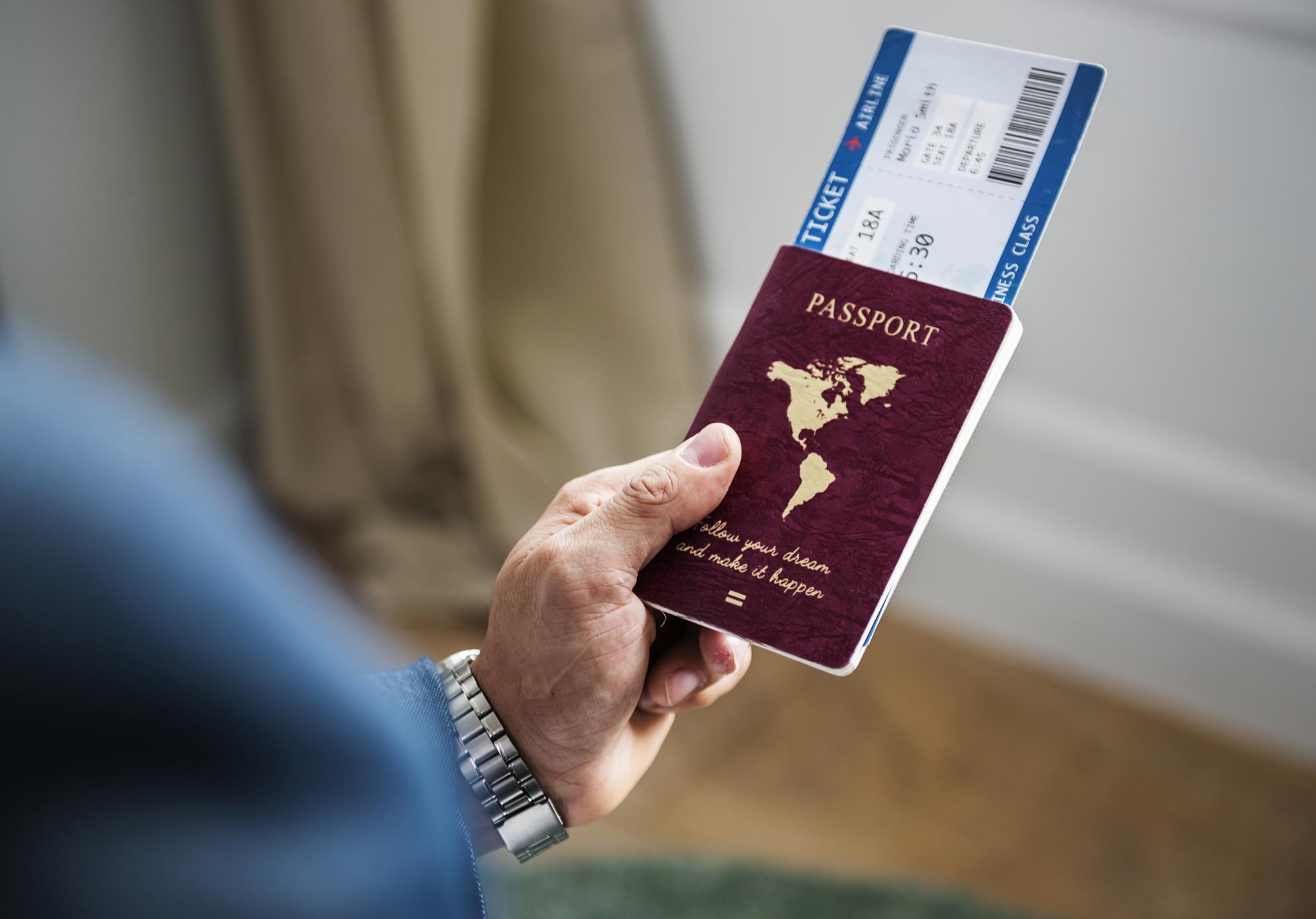
Most visitors need a visa. Apply online through the official Tanzania immigration portal before you fly. Fees depend on your nationality, so check the portal for your price.
Pack this in your hand luggage: Passport valid for at least six months Printed e-visa or approval letter Yellow fever certificate if you arrive from a risk country Return or onward flight details Travel insurance with medical evacuation cover
Health and Safety
Tanzania is a safe destination for most travelers. Take normal care in cities. Do not walk alone at night. Keep valuables out of sight.
Visit a travel clinic six to eight weeks before departure. Ask about malaria prevention and routine vaccines. Drink bottled or filtered water. Use insect repellent at dusk and dawn.
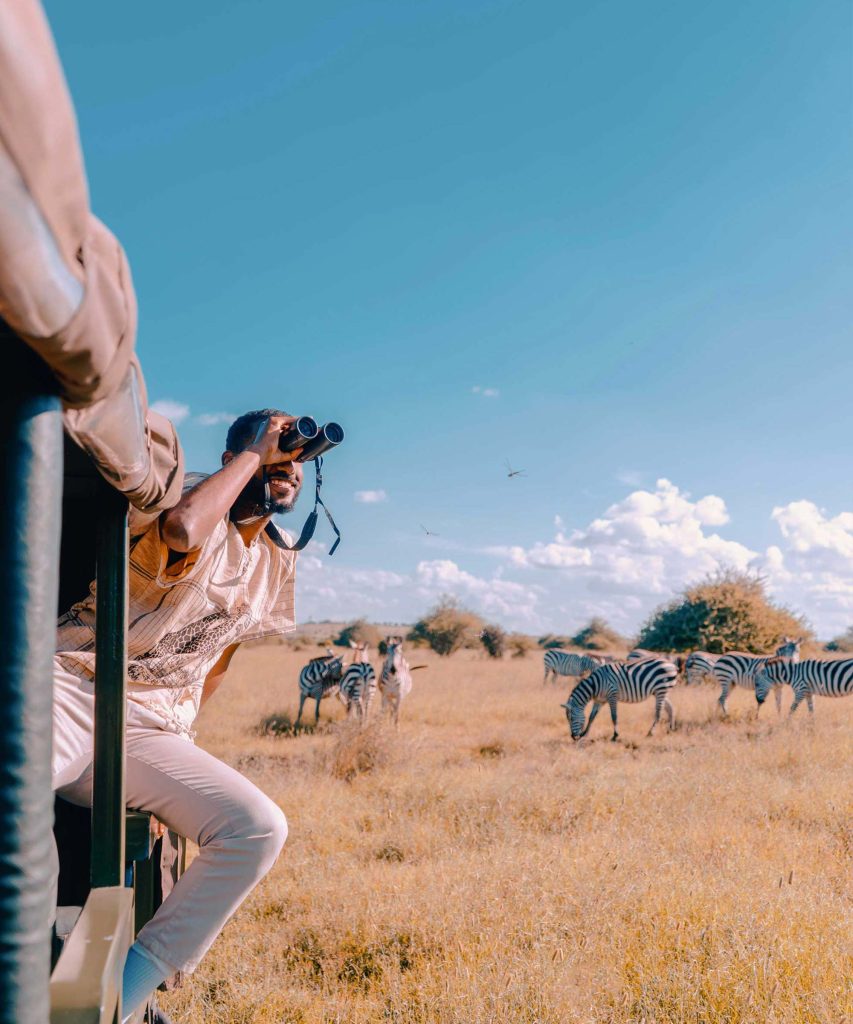
Your safari guide handles wildlife safety. Stay inside the vehicle unless your guide says otherwise.
Tanzania Travel Tips
Pack light and use a soft bag. Read our Tanzania safari packing list before you fly. Book early for the dry season and migration months. Respect local culture. Dress modestly in Zanzibar and coastal towns. Ask before you photograph people. Learn two Swahili words. Say jambo for hello and karibu for welcome. Carry copies of your documents in a separate bag. Do not bring plastic bags into the country. Tanzania bans them.
Where to Go in Tanzania
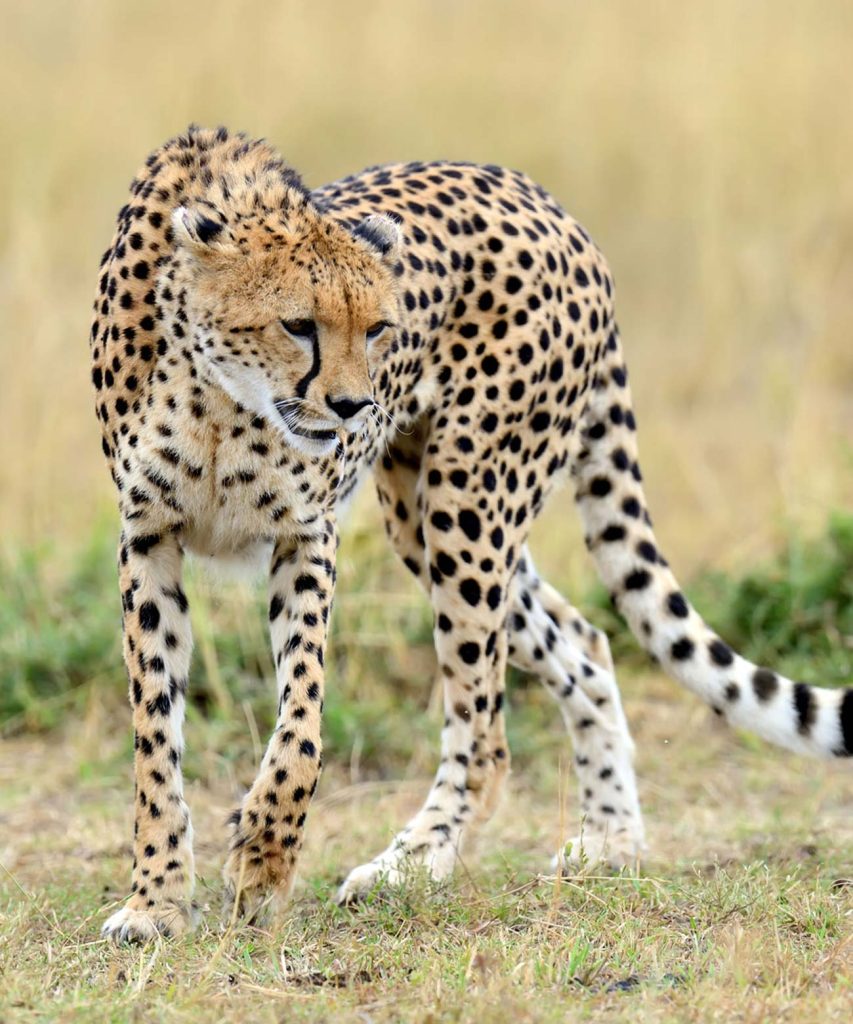
Tanzania’s national parks provide varied environments for this style of travel. Tanzania tourism highlights Serengeti, Ngorongoro, and Tarangire as key northern safari destinations, with game drives and photographic experiences among the highlights.
Northern Tanzania
The northern circuit holds the Serengeti, Ngorongoro Crater, Tarangire, Lake Manyara and Arusha National Park. It is the best choice for first-time visitors. Distances are short and wildlife is dense.
Zanzibar and the Coast
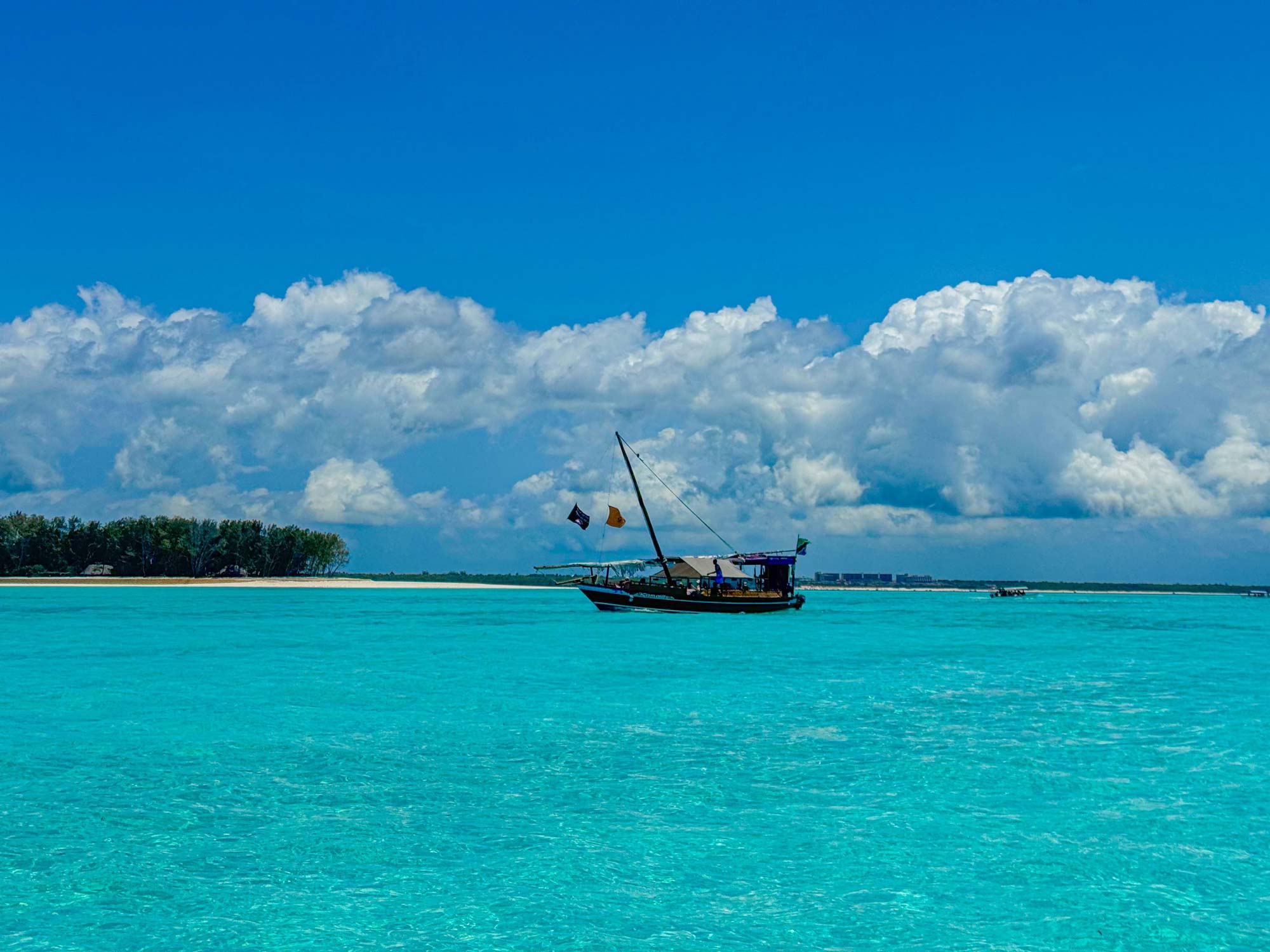
Zanzibar offers white sand beaches, coral reefs and Stone Town, a UNESCO World Heritage Site. Add three to five nights after your safari to rest.
Southern and Western Tanzania
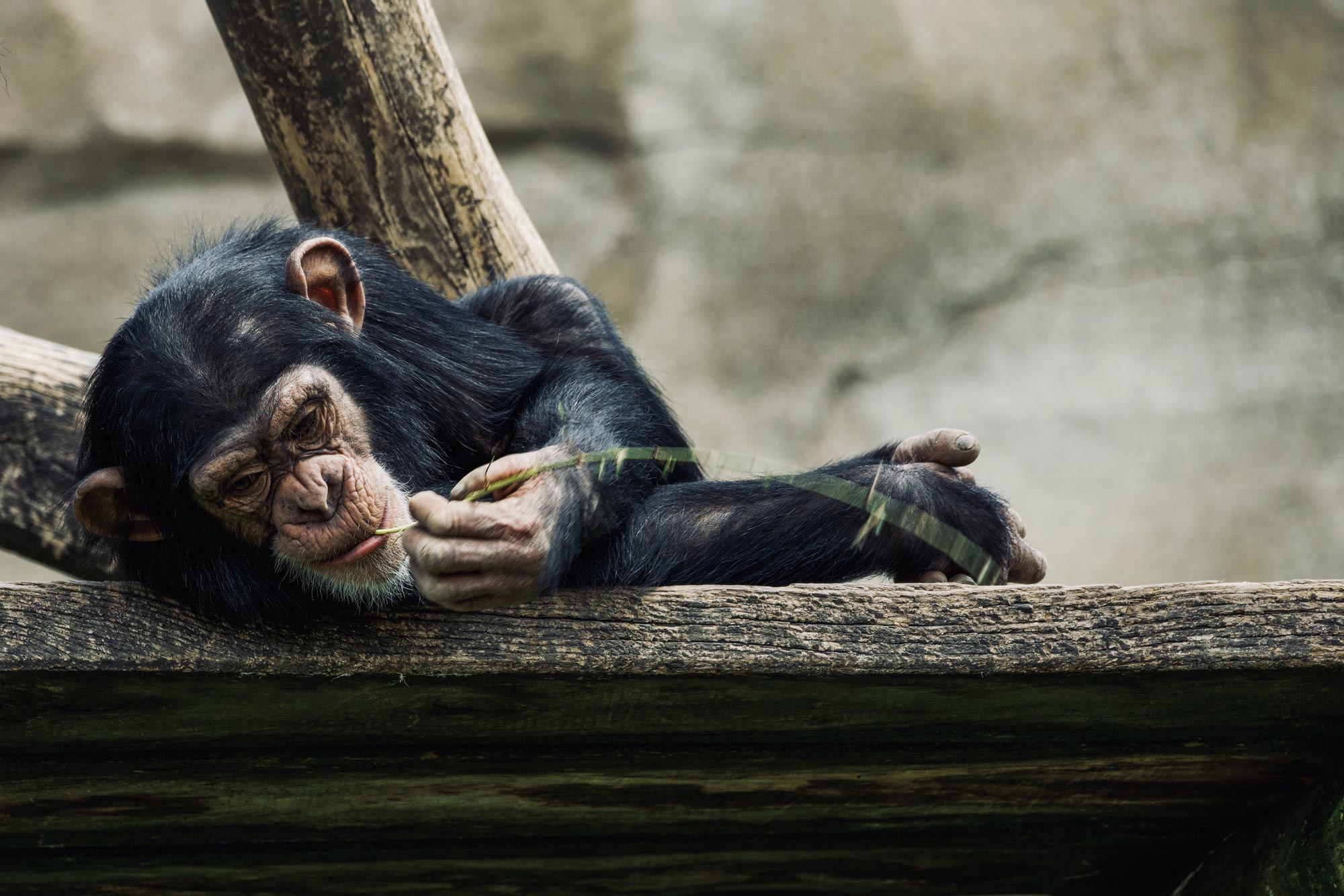
Nyerere National Park, Ruaha, Mahale and Gombe suit repeat visitors. Expect fewer vehicles, boat safaris and chimpanzee tracking.
Climb Mount Kilimanjaro
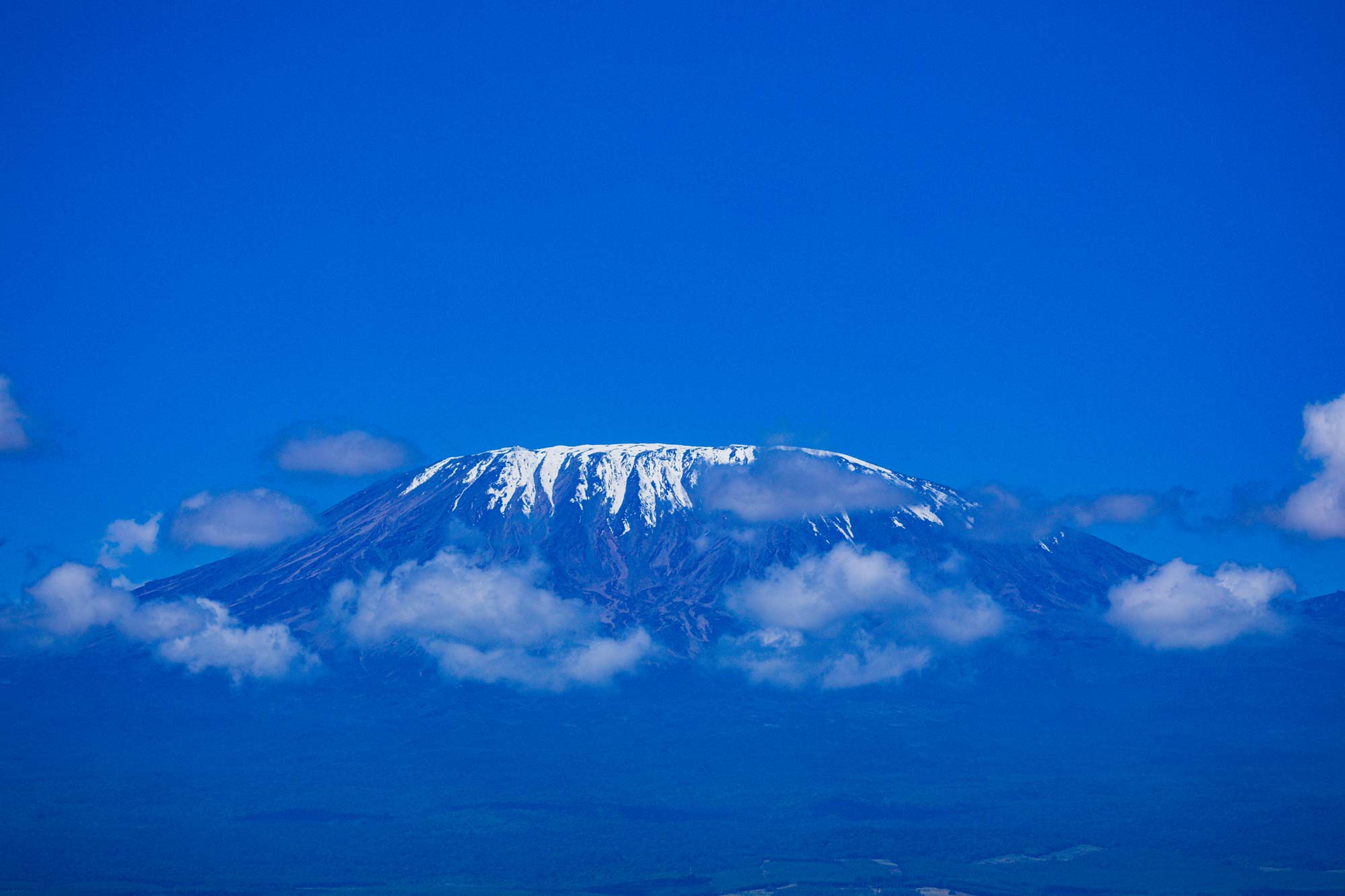
Kilimanjaro stands at 5,895 meters and is the highest peak in Africa. Choose a route with enough days to adjust to altitude.
Itineraries
Our most considered journeys.
Real itineraries designed by specialists who travel them. Ready to be tailored to your dates, your party, and your pace.
From your first enquiry to the day you come home, one named safari specialist looks after every detail. A safari specialist will be in touch within as little as 15 minutes during working hours