realm tanzania adventures

Tanzania photographic safari guide

Tanzania offers some of Africa’s strongest opportunities for wildlife photography. Its landscapes range from the open plains of Serengeti to the baobab studded scenery of Tarangire, the wildlife rich Ngorongoro Crater, and the remote wilderness of southern and western Tanzania.

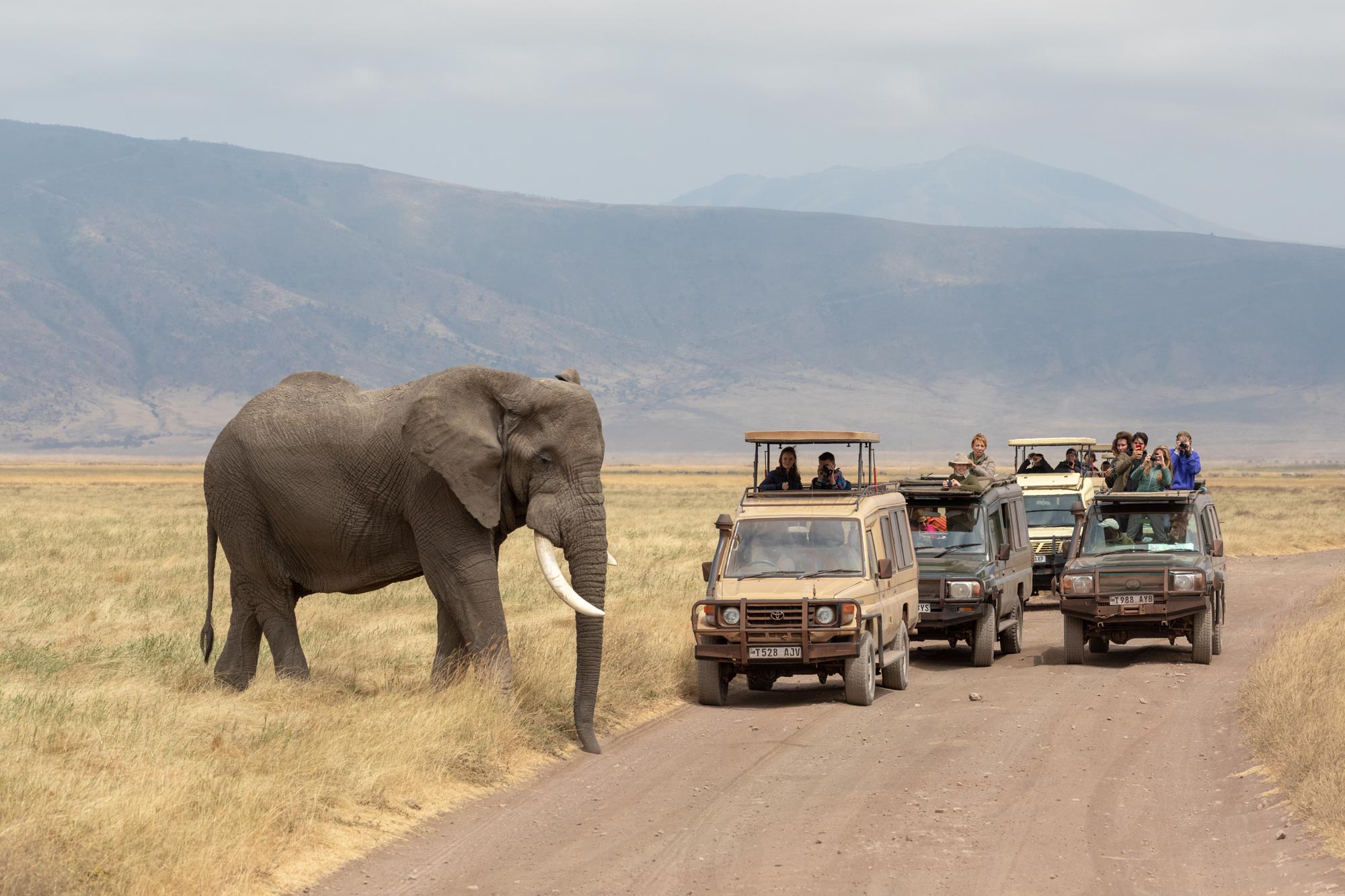
A photographic safari requires a different approach from a standard sightseeing safari. The goal is not simply to see an animal. You want time, positioning, good light, clean backgrounds, interesting behavior, and enough flexibility to wait for the right moment.

Tanzania National Parks identifies photographic safaris as one of its tourism activities, alongside game drives, walking safaris, birding, balloon safaris, and other experiences. 

A good photographic safari focuses on:

Wildlife behavior
Natural light
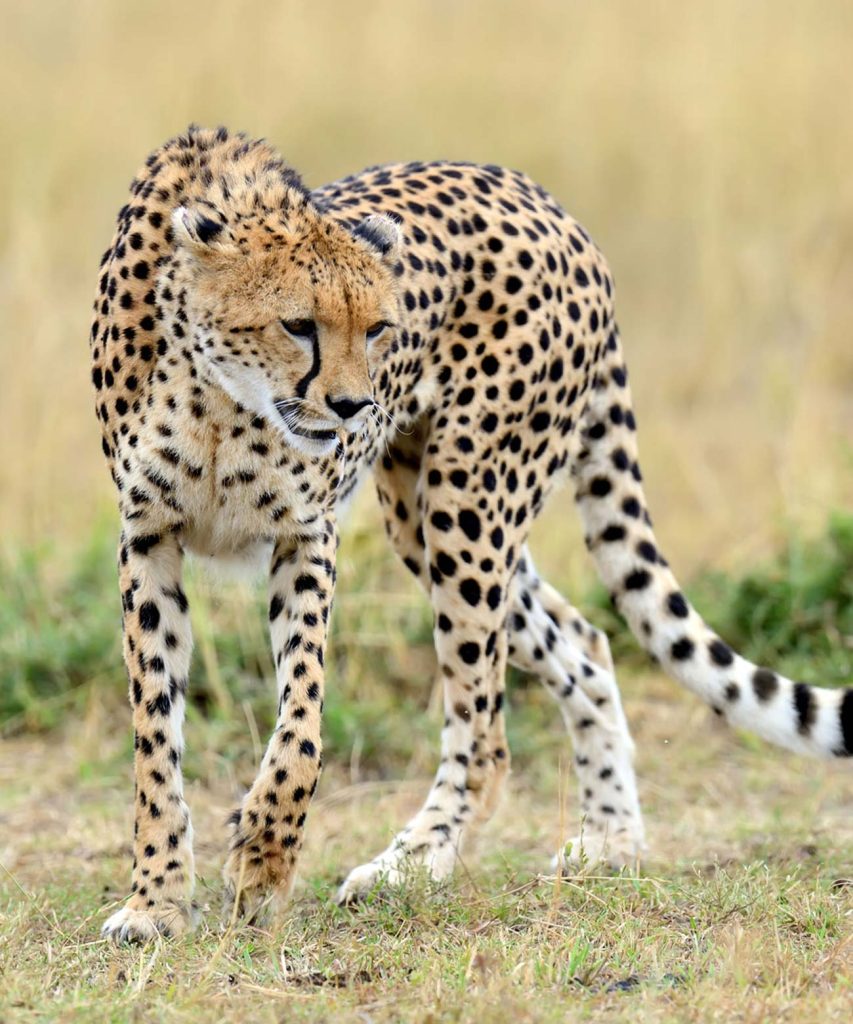
Animal portraits
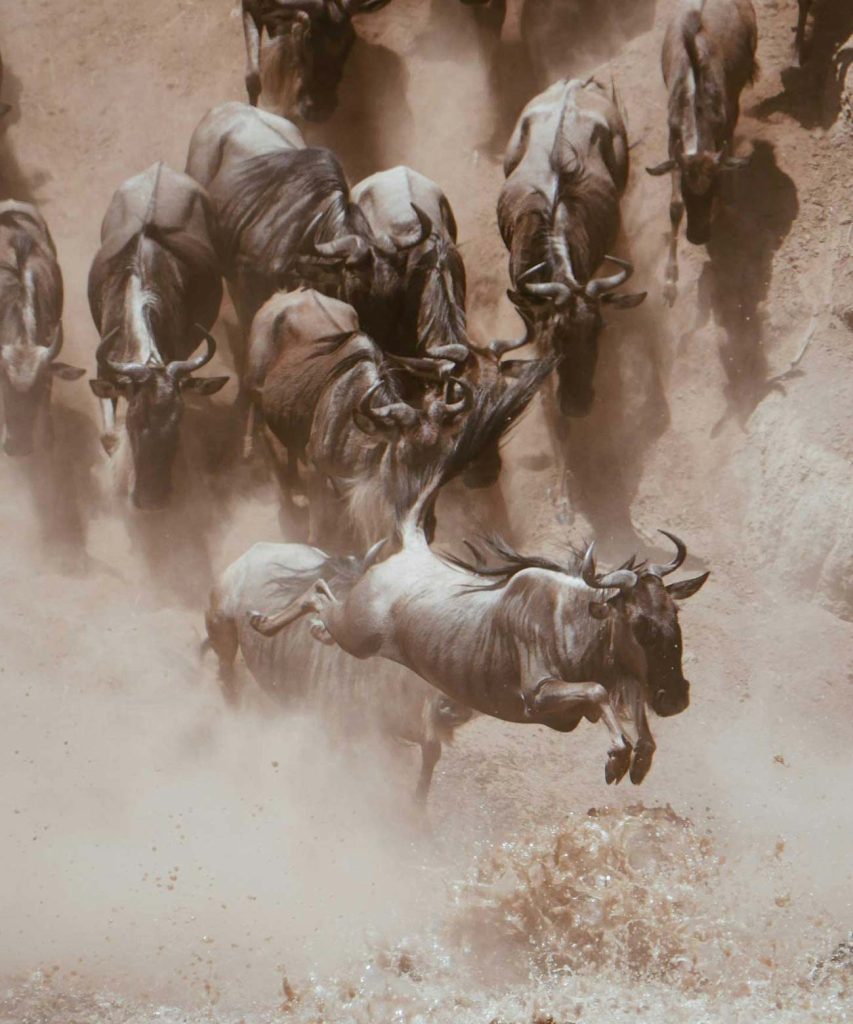
Action photography
Landscape photography
Bird photography
Wildlife interactions

Why choose Tanzania for a photographic safari?

Tanzania combines large wildlife populations, diverse habitats, dramatic landscapes, and strong seasonal changes.

The Serengeti is particularly important for photographers interested in wildlife behavior and large-scale scenes. TANAPA describes the park as home to the world’s last remaining large mammal migration and highlights its lions, leopards, elephants, buffaloes, rhinos, birds, kopjes, riverscapes, and vast plains. 

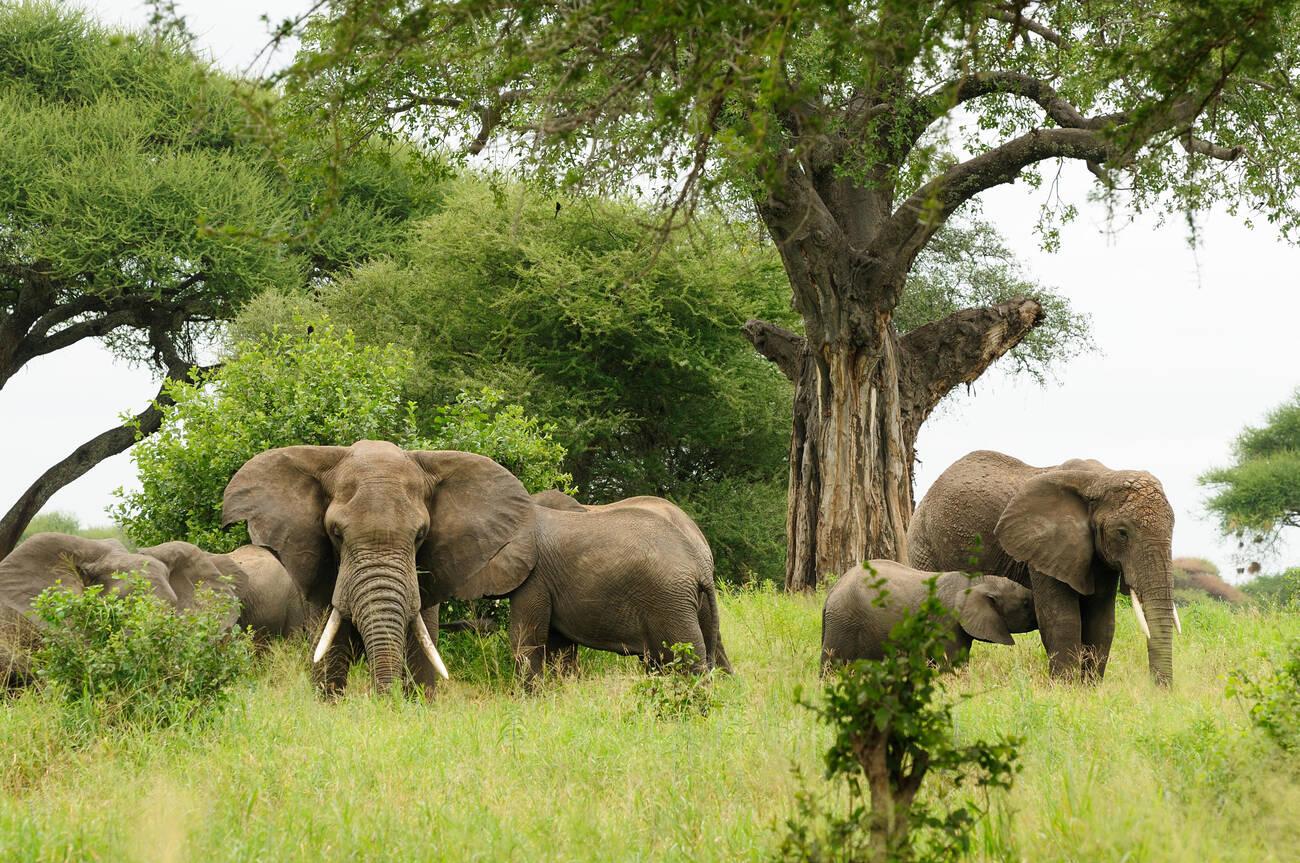
Tarangire offers a different photographic environment. Elephants, baobabs, river landscapes, wetlands, birds, predators, and seasonal wildlife concentrations create varied compositions.

This variety means you do not need to photograph the same type of scene throughout your trip.

Best time for a Tanzania photographic safari

The best time depends on the type of images you want.

For general wildlife photography, the dry season often provides strong viewing conditions because vegetation becomes less dense and wildlife gathers around remaining water sources in some parks.

For Serengeti photography, seasonal wildlife movements matter more than choosing a single universal month. TANAPA currently highlights June to October for migration experiences and January to February for the calving season.

For Tarangire, TANAPA identifies June to October and January to February as dry season periods, while November to December and March to May bring the main rainy periods.

For photographers, each season offers a different visual character.
Best time for a Tanzania photographic safari

The best time depends on the type of images you want.

For general wildlife photography, the dry season often provides strong viewing conditions because vegetation becomes less dense and wildlife gathers around remaining water sources in some parks.

For Serengeti photography, seasonal wildlife movements matter more than choosing a single universal month. TANAPA currently highlights June to October for migration experiences and January to February for the calving season.

For Tarangire, TANAPA identifies June to October and January to February as dry season periods, while November to December and March to May bring the main rainy periods.

For photographers, each season offers a different visual character.
Tanzania photographic safari

Recommended lenses for safari photography

A 70-200mm lens works well for medium-distance subjects and environmental portraits.
A 100-400mm or similar zoom provides greater flexibility for wildlife at different distances.
A longer telephoto lens helps with distant birds and wildlife.
A 24-70mm or similar lens works well for landscapes, people, accommodation, and close environmental scenes.
You do not need every lens. Choose equipment based on your photography style, weight limits, and budget.

How to photograph wildlife ethically

Good wildlife photography starts with responsible behavior.
Never pressure an animal for a photograph.
Do not ask a driver to block an animal’s path.
Do not approach wildlife outside permitted areas.
Do not make loud noises to attract animals.
Do not feed wildlife.

Best places for a photographic safari in Tanzania

Tanzania’s national parks provide varied environments for this style of travel. Tanzania tourism highlights Serengeti, Ngorongoro, and Tarangire as key northern safari destinations, with game drives and photographic experiences among the highlights.

Serengeti National Park

Serengeti should be high on the list for photographers who want diverse wildlife and large-scale landscapes.
The open plains provide opportunities for environmental portraits, wildlife groups, predator scenes, silhouettes, and action photography.
The park is also associated with the Great Migration, which creates opportunities for photographing large herds and dramatic wildlife behavior.

Ngorongoro Crater

Ngorongoro provides a compact wildlife environment surrounded by dramatic crater scenery.
The combination of wildlife and landscape gives photographers opportunities to create images with more environmental context.
Instead of photographing an animal tightly every time, try wider compositions showing the animal within the crater landscape.

Tarangire National Park

Tarangire is particularly attractive for photographers interested in elephants and landscape compositions.

The park is known for elephant herds and baobab landscapes. During the dry season, wildlife concentrates around important water sources, creating strong opportunities for wildlife photography.

Try photographing an elephant beneath a baobab instead of filling the entire frame with the animal. The combination of subject, tree, sky, and surrounding landscape often creates a stronger storytelling image.

Lake Manyara National Park

Lake Manyara offers varied habitats within a relatively compact area.
The park provides opportunities for photographing:
Elephants,Giraffes,Buffaloes,Birdlife,Forest landscapes,Wetlands,Lake scenery & Primates
The mixture of forest, open areas, and wetlands allows photographers to change their visual approach throughout the day.

Arusha National Park

Arusha National Park is useful for photographers who want wildlife and landscape photography in the same destination.
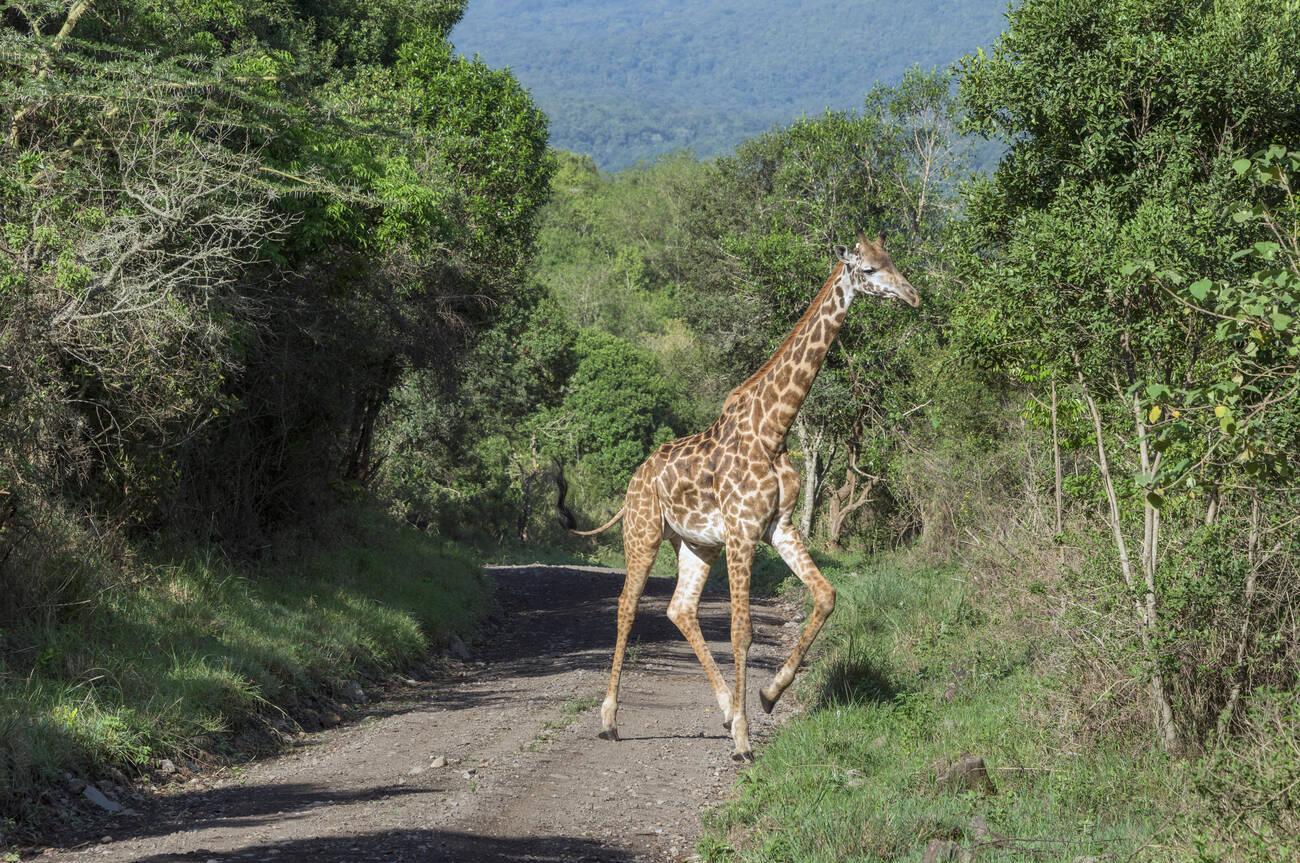
Mount Meru provides a dramatic backdrop, while the park contains forests, lakes, open grasslands, and wildlife habitats.
Photographers interested in landscapes should pay attention to the relationship between animals and Mount Meru rather than focusing only on close wildlife portraits.

Itineraries

Our most considered journeys.

Real itineraries designed by specialists who travel them. Ready to be tailored to your dates, your party, and your pace.

Speak to a safari specialist

Let's plan your journey.

From your first enquiry to the day you come home, one named safari specialist looks after every detail. A safari specialist will be in touch within as little as 15 minutes during working hours

Planning
First
Last
Contacts Preference